25% OFF 3+ ITEMS AT THE KOHZEN SHOP NOW

Tag: aromatherapy

  • Royal Green Hojari Frankincense Benefits: Tradition Meets Science

    Royal Green Hojari Frankincense Benefits: Tradition Meets Science

    Royal Green Hojari frankincense is often hailed as the pinnacle of frankincense resins – a rare, emerald-hued grade once reserved for Omani royalty kohzen.com. For thousands of years, cultures have revered frankincense for its wellbeing benefits, from spiritual rituals to folk remedies. Today, modern science is beginning to explore and validate many of these Royal Green Hojari frankincense benefits, bridging ancient tradition with cutting-edge research. In this post, we delve deep into both the cultural significance and the emerging scientific findings on this prized resin, all while keeping a balanced perspective on what’s known (and unknown).

    (Kohzen Disclaimer: This information is educational; always consult a healthcare professional for medical advice.)

    Experience the purity of Royal Green Hojari Frankincense – try Kohzen’s Royal Green Hojari Oil on Etsy, a slow-infused treasure from Oman.

    Cultural Uses and Non-Clinical Wellbeing Benefits

    A Sacred Aroma for Mind and Spirit: Frankincense has been intertwined with spiritual and cultural practices for millennia. Burned as incense in temples, churches, and meditation rituals, its woody-citrus smoke is said to calm the mind and elevate spiritual connection. Intriguingly, science may affirm this ancient wisdom: a landmark 2008 study found that incense smoke (specifically a frankincense compound called incensole acetate) produced anxiolytic (anxiety-reducing) and antidepressant-like effects in animals birmingham.ac.uk.

    This suggests that the soothing “church incense” effect is not just psychological – the resin’s chemistry can activate brain pathways linked to calm and mood birmingham.ac.uk. Culturally, many people simply describe feeling tranquil or spiritually “centered” when breathing frankincense fumes during prayer or meditation. While these effects are hard to quantify, they underscore frankincense’s enduring reputation as a natural stress-reliever and aid to mental wellbeing.

    Traditional Medicine and Folk Remedies: Beyond its sacred smoke, frankincense has a rich history in traditional medicine across the West Asia, Africa, and Asia. Historical records show that as early as 2600 BC, Mesopotamians were using frankincense (and its cousin myrrh) to treat ailments like colds and inflammation yaledistilled.sites.yale.edu. In Ayurveda and Traditional Chinese Medicine, frankincense (often called Salai or lubān) has been used for everything from arthritis pain to wound healing. These uses were non-clinical in the modern sense – based on observation and tradition – yet they persisted because many people found relief.

    For instance, Omani and Yemeni communities have long chewed frankincense resin like gum, believing it strengthens teeth and aids digestion. This folk practice doubles as a natural toothbrush; even today, locals claim that chewing luban freshens the breath and soothes the stomach. Modern research hints there’s something to it: in one small trial, volunteers who chewed frankincense gum showed reduced oral bacteria levels over hours healthline.com, supporting the idea that frankincense’s antiseptic properties can improve oral hygiene. Likewise, frankincense’s use for upset stomach in folk medicine aligns with its known anti-inflammatory effects (more on that in the next section).

    Bring ancient wellness into your life with Kohzen’s Royal Green Hojari Frankincense Infusion Oil – wild-harvested in Oman and crafted for mindful rituals.

    Royal Green Hojari Frankincense Benefits, Kohzen

    Purifying Spaces – Aromatically and Physically: Culturally, burning frankincense resin has been a way to purify one’s surroundings – whether to please the gods or ward off “bad energy.” Interestingly, science suggests frankincense smoke purifies in a literal sense too. A 2023 study by Sultan Qaboos University tested Omani frankincense (Hojari grade) and found that its smoke has potent antimicrobial powers pubmed.ncbi.nlm.nih.gov. The researchers reported inhibition of airborne bacteria, yeasts, and mold in the vicinity of the burning resin pubmed.ncbi.nlm.nih.gov. In essence, our ancestors who burned frankincense in sickrooms or during plagues may have been disinfecting the air without knowing it.

    This antimicrobial effect, coupled with the pleasing aroma, explains why frankincense smoke has symbolized cleansing and renewal in so many cultures. Even without clinical data, many people today use frankincense resin or oils in non-clinical wellbeing routines – for example, diffusing the scent during yoga, adding a few drops of frankincense oil to baths for relaxation, or using the resin-infused oil for massage. These practices are about enhancing one’s environment and mood naturally, anecdotally supporting stress relief, focus, or emotional balance.

    “Liquid Gold” for Skin and Self-Care: Frankincense has also been treasured in the realm of beauty and self-care. Ancient Egyptian texts mention charred frankincense in kohl eyeliner and ground frankincense in rejuvenating face masks. Today’s holistic wellness enthusiasts likewise use frankincense resin and oils in skincare, claiming it helps tone the skin, reduce blemishes, and slow signs of aging (it’s rich in antioxidants). While solid evidence is limited, frankincense’s anti-inflammatory nature could explain soothing benefits on irritated skin.

    At the very least, a frankincense-infused oil provides a nourishing, aromatic massage experience. Royal Green Hojari, being the purest form, is especially prized for making such infusion oils (as opposed to distilled essential oils) because the whole resin’s compounds – including boswellic acids – are released over weeks of infusion. People who use these oils often report softer skin and a sense of relaxation after a massage or bath. Again, these are wellbeing benefits that, while not fully quantified by science, are deeply rooted in cultural experience.

    Discover the ancient secrets of frankincense with Kohzen’s Royal Green Hojari Oil – a therapeutic oil infusion preserving boswellic acids for maximum benefit.

    Modern Scientific Insights into Frankincense Benefits

    (Kohzen Disclaimer: This information is educational; always consult a healthcare professional for medical advice.)

    In recent decades, scientists have turned their attention to frankincense to verify what traditional healers long claimed. Boswellia sacra (the species yielding Royal Hojari) is packed with unique phytochemicals – notably boswellic acids and terpenes – that are now known to exhibit medicinal properties. Here are some key frankincense benefits that have been identified or supported by academic research:

    Anti-Inflammatory and Joint Health

    One of the most well-documented effects of frankincense is its anti-inflammatory action. Pharmacological studies show that boswellic acids from frankincense can inhibit 5-LOX (5-lipoxygenase) and other enzymes involved in inflammation blogs.the-hospitalist.org. In plain terms, frankincense may block the formation of leukotrienes, molecules that cause inflammation and swelling healthline.com. This is exactly why Boswellia extracts have been used in natural remedies for arthritis. Clinical evidence, while still emerging, is promising: A 2018 systematic review found frankincense extracts were consistently more effective than placebo at reducing osteoarthritis pain and improving mobility healthline.com. Another trial reported that taking 169 mg of Boswellia extract twice daily over 4 months significantly reduced knee pain and stiffness in people with osteoarthritis, without serious side effects healthline.com. Some patients even use topical frankincense preparations on joints; one study noted that an olibanum (frankincense) oil applied to knees for 6 weeks reduced pain, albeit without major functional improvements healthline.com. For rheumatoid arthritis (an autoimmune form), animal studies indicate Boswellia can curb inflammation, though perhaps not as strongly as standard meds healthline.com. All this evidence aligns with frankincense’s millennia-old reputation as an anti-inflammatory remedy for joint pain. It’s important to stress, however, that while frankincense supplements may help arthritis symptoms healthline.com, they are not a cure and should complement (not replace) doctor-prescribed therapies.

    Gut and Digestive Benefits

    In traditional medicine, frankincense was used for digestive complaints (e.g. colicky pain or diarrhea). Modern research suggests Boswellia could indeed benefit the gut, especially in inflammatory conditions. A 2017 randomized study found that a herbal formula containing frankincense significantly reduced symptoms of irritable bowel syndrome (IBS) – patients reported less abdominal pain, bloating, and even improvement in IBS-related anxiety healthline.com. In mild ulcerative colitis (an inflammatory bowel disease), a Boswellia extract taken daily for 4 weeks helped maintain remission and improved symptoms compared to baseline healthline.com. There’s also evidence that Boswellia has antioxidant effects in the gut and can reduce colitis severity in animal models healthline.com. These findings echo an older use of frankincense resin – in the West Asia, swallowing a small piece of luban resin in water is a folk remedy for stomach inflammation. While more large-scale human trials are needed, the early data suggest frankincense’s anti-inflammatory prowess extends to the digestive tract, potentially offering a natural supplement option for IBS or colitis sufferers (with doctor approval).

    Respiratory and Immune Support

    Frankincense’s aroma isn’t just pleasant; it might also open up your airways. Historical texts describe burning frankincense for relief in coughs, bronchitis, and “to clear bad air.” Modern studies have observed that Boswellia compounds can help in asthma by reducing airway inflammation. For example, boswellic acids appear to inhibit the production of leukotrienes that cause bronchial muscle constriction healthline.com. In one small clinical study, asthma patients who added 500 mg of Boswellia extract daily to their standard inhaler therapy were able to use their inhalers less often over a 4-week period, thanks to improved breathing healthline.com. Another trial using a combo of frankincense and a traditional fruit extract showed better reduction in asthma symptoms than placebohealthline.com. These are encouraging results for those seeking natural respiratory support. Additionally, Boswellia’s immune-modulating effects have drawn interest for diagnoses like multiple sclerosis (MS). A pilot trial in Germany gave RRMS patients a frankincense extract for 8 months and saw a significant drop in brain inflammation – MRI scans showed fewer active lesions compared to before treatment blogs.the-hospitalist.org. The extract may also increased patients’ regulatory T-cells and reduced pro-inflammatory T-cells, indicating a calming of the overactive immune responseblogs.the-hospitalist.org. While preliminary, this suggests frankincense could one day complement autoimmune disease management blogs.the-hospitalist.org. It’s quite remarkable that a natural resin used in ceremonies for “cleansing” may literally help regulate immune processes, though much more research is needed.

    Cognitive and Mental Health

    We’ve touched on frankincense’s anxiolytic fragrance, but could it actually enhance brain function? Some research hints at neuroprotective benefits. A fascinating clinical study in 2019 tested frankincense consumption in older men (who had mild cognitive impairment) over 4 weeks. The result: those taking 500 mg frankincense capsules twice daily showed significantly better acquisition and retention of motor memory (learning physical tasks) than those on placebo pmc.ncbi.nlm.nih.gov. This implies frankincense might support learning and memory, possibly by mechanisms like promoting cerebral blood flow or reducing neuroinflammation. In animal studies, frankincense compounds have exhibited antidepressant-like effects (recall incensole acetate’s impact on mood). There’s even traditional precedent – in Persian medicine, frankincense was given to pregnant women to “make the child intelligent,” and some cultures burned it to improve focus. While such claims need validation, early science suggests cognitive benefits ranging from improved memory to potentially slowing neurodegeneration. Boswellia extracts are being examined for diseases like Alzheimer’s in preclinical models, given their anti-inflammatory and antioxidant nature. It’s too soon to say if frankincense is a “brain booster,” but this is an exciting area of research that could add a modern dimension to frankincense’s health profile.

    Elevate your wellness journey with Kohzen’s Royal Hojari Frankincense Oil – a premium infusion that nourishes mind, body, and spirit.

    Antimicrobial and Oral Health

    We’ve seen how frankincense smoke can sanitize air, but what about direct effects on germs and our health? Laboratory tests confirm that frankincense resin and its oils have broad-spectrum antimicrobial activity. They can suppress harmful bacteria, fungi, and even some pathogenic viruses pubmed.ncbi.nlm.nih.gov. One in vitro study noted frankincense extracts were effective against Porphyromonas gingivalis and Aggregatibacter actinomycetemcomitans – nasty bacteria that cause gum disease healthline.com. This aligns with traditional uses of frankincense for dental health (chewing the resin, as mentioned). In a small experiment, people chewing a frankincense-containing gum for several hours experienced progressively lower oral microbe counts, suggesting it actively reduced bacterial load in the mouth healthline.com. Additionally, Boswellia’s antifungal properties might help with minor skin or scalp issues in topical applications. While one shouldn’t rely on frankincense alone to fight infections, these properties make it a valuable supportive remedy. It’s not surprising that ancient embalmers included frankincense in mummy wrappings – its preservative, antimicrobial nature helped stave off decay.

    Emerging Frontiers in Oncology

    Perhaps the most cutting-edge (and speculative) area of frankincense research is in oncology. Scientists have observed in petri dishes that frankincense essential oil and boswellic acids can induce apoptosis (programmed death) in certain cancer cell lines.

    Over 300 molecules are present in frankincense and boswellic acids are among the most well known. Archaeologists use their detection – using their characteristic mass spectra – to find frankincense in ancient artefacts. They are also believed to have anti-inflammatory properties and it has been suggested they may also have a role in cancer therapy.

    Source: University of Birmingham, 2017

    There are case reports and preliminary trials hinting that Boswellia extracts might shrink tumors or enhance chemo effects – for instance, a boswellic acid supplement was shown to reduce brain tumor-associated edema (swelling) in patients, improving their quality of life pubmed.ncbi.nlm.nih.gov. These findings have prompted clinical trials. In 2017, the Medical University of South Carolina (MUSC) launched a trial giving breast and colon cancer patients Boswellia serrata extract in the weeks before surgery musc.edu. The goal was to see if frankincense changes the tumor biology or inflammation markers in human patients. Researchers note that boswellic acid’s structure is similar to anti-inflammatory drugs like ibuprofen, suggesting it could suppress the inflammation that fuels cancer progression musc.edu.

    Read More Here: Hollings researchers find Boswellia, an extract of frankincense, shows anti-cancer activity in patients with breast cancer — Nancy Klauber-DeMore, M.D; Ingrid Bonilla Valente, M.D

    While this is promising, experts urge caution: no one should consider frankincense a proven cancer treatment at this time. Oncologists like Dr. Nancy DeMore stress that rigorous trials are needed and patients should not replace standard therapies with frankincense or any herb musc.edu. It’s a hopeful area of study, illustrating how even the most venerable natural remedies can yield new medical insights.

    Beyond cancer, other frontiers include frankincense’s effect on cardiovascular health (e.g. possible cholesterol-lowering or blood-thinning properties observed in animal studies) and its use in integrative medicine for chronic pain or anxiety disorders. As research continues, we may see Royal Hojari frankincense take a more prominent role as a complementary therapy, validating the benefits that traditional users have celebrated for ages.

    Takeaways: Bridging Ancient Wisdom and Modern Wellness

    From the incense-filled temples of antiquity to the laboratories of today’s top universities, frankincense’s reputation as a healing resin has stood the test of time. Royal Green Hojari, in particular, symbolizes the height of quality – a frankincense so pure and aromatic that it was literally fit for kings. Culturally, it has uplifted spirits, cleansed spaces, and eased ailments as a holistic wellbeing aid.

    Scientifically, we now understand many of the reasons why: potent anti-inflammatory compounds, anxiolytic aroma molecules, and antimicrobial resins all contribute to frankincense’s effects. When you burn a piece of Hojari incense or apply a few drops of frankincense oil to your skin, you’re engaging with a natural pharmacy that humans have been tapping into for over 5,000 years.

    That said, it’s important to approach frankincense with realistic expectations. Disclaimer: While research is illuminating frankincense’s therapeutic potential, it is not a magic cure-all. Frankincense preparations (resins, oils, capsules) are best used as complementary wellness tools – for example, to promote relaxation, support meditation, or perhaps as an adjunct for joint health – rather than as standalone treatments for serious conditions. Always consult with a healthcare provider before using frankincense or any supplement for health purposes. At Kohzen, we celebrate the rich heritage and emerging science of frankincense, but we are not doctors and do not offer medical advice.

    Incorporating Royal Green Hojari frankincense into your lifestyle can be as simple as enjoying its incense during a quiet evening or using a few drops of infused oil in a self-massage. Such rituals bring a bit of ancient luxury into the modern day, and many find that it enhances their overall wellness routine – providing moments of calm, clarity, and connection. Royal Green Hojari frankincense’s benefits, ultimately, are about mind-body wellbeing: it’s the soothing ritual, the cherished aroma, and the natural chemistry working in harmony. As ongoing research continues to decode frankincense’s secrets, one thing remains clear – this “king of resins” has an enduring place in both our cultural heritage and our pursuit of health in the 21st century.

    Ready to experience frankincense for yourself? Explore Kohzen’s Royal Green Hojari Frankincense Infusion Oil on Etsy and embrace the benefits of this ancient Omani resin in your daily wellness routine.

    FAQ: Royal Green Hojari Frankincense Benefits

    Q1. What is Royal Green Hojari frankincense and why is it considered so special?

    Royal Green Hojari frankincense comes from the Boswellia sacra trees of Dhofar in Oman and is hand-sorted for its pale green, translucent tears. It’s traditionally regarded as the highest grade because it has a clean, lemon-pine aroma, low impurities, and a high concentration of resin acids (including boswellic acids) compared with many commercial grades.

    Want a deeper dive? Read our Ultimate Guide to Frankincense post to learn more about the history of frankincense.

    Q2. What are the main Royal Green Hojari frankincense benefits for everyday wellbeing?

    The most commonly cited royal green hojari frankincense benefits relate to non-clinical wellbeing: its scent is used to support relaxation, prayer, meditation, mindful breathing, and the creation of a calm atmosphere at home. Laboratory and early clinical studies on frankincense more broadly suggest anti-inflammatory, antimicrobial, and mood-modulating properties, but these are usually based on standardised extracts, not on any one brand or home preparation.

    Q3. Is there scientific evidence behind Royal Green Hojari frankincense benefits?

    Modern research has focused on Boswellia extracts in general, which include the same family of compounds found in Royal Green Hojari. Studies have reported that boswellic acids can help reduce inflammatory markers and improve symptoms in conditions like osteoarthritis and irritable bowel syndrome when used as standardised supplements under clinical supervision. However, these trials do not test specific retail products or simple home infusions, and results should not be generalised as medical claims for any particular oil or resin.

    Q4. How is Royal Green Hojari frankincense different from other frankincense resins?

    All frankincense comes from Boswellia trees, but Royal Green Hojari is a premium selection from Boswellia sacra, harvested in a specific Omani micro-region and graded for its pale green colour and clarity. Cheaper grades or other species (like Boswellia serrata or B. carterii) may have more bark, dust, or darker resin and a harsher aroma profile. In practice, the perceived royal green hojari frankincense benefits often include a smoother scent, cleaner burn, and greater prestige in traditional ceremonies.

    Q5. Can Royal Green Hojari frankincense help with stress, mood, or meditation?

    Culturally, frankincense has been burned in temples, churches, and homes for centuries to encourage contemplation, prayer, and emotional balance. Experimental work on frankincense compounds suggests that some components can influence brain pathways linked with anxiety and low mood in animal models, supporting its traditional use as a soothing aroma. From a wellbeing perspective, many people find that incorporating Royal Hojari incense or oil into meditation, breathwork, or evening wind-down routines enhances focus and relaxation – but these experiences are personal and not guaranteed outcomes.

    Q6. Is it safe to burn Royal Green Hojari frankincense at home?

    When used occasionally in a well-ventilated room, burning a small amount of high-quality frankincense resin is generally considered safe for most healthy adults. Studies show that frankincense smoke may have antimicrobial effects against airborne bacteria and fungi, but they also note that fine particulate matter in smoke can irritate the lungs, especially in people with asthma or other respiratory conditions. If you are sensitive to smoke, limit the amount you burn, ventilate the space, and speak to a healthcare professional if you have concerns.

    Q7. Can I ingest Royal Green Hojari frankincense or drink it as tea or water?

    Some traditional practices involve chewing frankincense or steeping small pieces in water, but major health sites and safety reviews advise caution with ingestion. Concentrated oils in particular should not be swallowed unless under professional supervision, as essential oils can irritate the gut, interact with medications, and cause toxicity.

    If you’re curious about frankincense tea or water, read out Frankincense Tea vs Frankincense Water post to learn more. Always check with a doctor before ingesting any new herbal product.

    Q8. Are there any side effects or people who should avoid using frankincense?

    Most people tolerate frankincense resin and diluted oils well, but possible side effects include skin irritation, allergic reactions, and, with heavy smoke exposure, respiratory discomfort. Pregnant or breastfeeding people, those with chronic lung, kidney, or liver conditions, and anyone taking prescription medication should seek medical advice before using frankincense.

    Q9. Does frankincense really help with joint or digestive issues?

    Some randomised controlled trials using standardized Boswellia extracts (often derived from B. serrata) have shown improvements in knee osteoarthritis pain, stiffness, and irritable bowel symptoms compared with placebo. These findings are promising, but they relate to specific, clinically tested extracts – not to all resins, home infusions, or oils. Royal green hojari frankincense benefits in this area should therefore be described cautiously as supportive or complementary at best, and never as a substitute for diagnosis or treatment from a qualified clinician.

    Q10. How can I safely enjoy Royal Green Hojari frankincense benefits at home?

    For most people, the safest way to enjoy Royal Green Hojari frankincense benefits is through gentle aromatherapy and mindful ritual use. You can burn a small piece of resin on charcoal in a well-ventilated space, or apply a well-diluted infusion or oil blend to the skin as part of massage, grounding touch, or other non-clinical self-care practices (see guidance from Healthline).
    Avoid ingesting essential oils, keep frankincense products away from children and pets, and always seek medical advice if you have underlying conditions or sensitivities.
    For more ideas and safe methods of use, explore:
    Ultimate Guide to Frankincense Rituals
    Real Frankincense Incense Sticks
    What to look for when buying frankincense oil
    Read More on the Kohzen Blog.

    Disclaimer: The information in this FAQ is for cultural, historical, and educational purposes only. It discusses research on frankincense in general and traditional reports of royal green hojari frankincense benefits, but it does not constitute medical advice, diagnosis, or treatment. Kohzen products are not intended to treat, cure, or prevent any disease. Always consult a qualified healthcare professional before using frankincense or any supplement, especially if you are pregnant, breastfeeding, have a medical condition, or take prescription medication.

  • What to Look for When Buying Frankincense Oil: Quality, Purity, and Safe Use

    What to Look for When Buying Frankincense Oil: Quality, Purity, and Safe Use

    Frankincense oil is the aromatic oil extracted from the resin (gum) of Boswellia trees. For thousands of years, people have prized frankincense (also called olibanum or luban) for its rich, incense-like scent and cultural significance kohzen.com britannica.com. In many traditions frankincense is valued as a sacred aroma – Omanis call it the “tears of the gods” and burn it to symbolise purity, prayer and a link to the divine kohzen.com. Today, people are drawn to frankincense oil for its woody-citrus fragrance and its calming, grounding presence. Whether used in home rituals, aromatherapy, or as a natural perfume, a high-quality frankincense oil can evoke centuries of heritage and create a soothing atmosphere kohzen.com britannica.com.

    In this guide, we’ll explain the different types of frankincense oils (infused, essential, fragrance), why traditional resin-infused oils are special, and exactly what to look for when choosing a safe, pure frankincense oil. We’ll also cover how to use it mindfully and safely.

    If you’re completely new to resin and want the bigger picture, start with our Ultimate Guide to Frankincense, where we explore origins, types, and everyday uses in more depth.

    Infused, Essential, and Fragrance Oils: What’s the Difference?

    When shopping for frankincense oil, you may see terms like infused oil, essential oil, or fragrance oil. These are very different products:

    • Essential Oil: This is the volatile essence of frankincense, obtained by steam distilling the resin. It is highly concentrated and potent. In distillation, steam forces the resin’s fragrant compounds into vapor, which are then collected as oil droplets. Only a very small amount is extracted: e.g. it can take dozens of pounds of resin to produce a single ounce of essential oilemsherbals.com. The resulting essential oil is colorless or pale yellow and is extremely aromatic and concentrated. Essential oils carry the bright, top notes of the resin’s aroma (often light and piney for frankincense), but because of the heat and process, they may lack some of the heavier, deeper aroma compounds etsy.com. While essential oils are prized in aromatherapy, they must be used with care (see Safety below).
    • Fragrance Oil: Often just called “frankincense fragrance,” this is not a true plant product. Fragrance oils are man-made scent blends designed for strong, long-lasting smell. They may contain some natural extracts, but usually they include synthetic chemicals to mimic frankincense aroma. Fragrance oils have no therapeutic or botanical properties, only the added scent vinevida.com. They are engineered to hold up in candles or soap and are often cheaper than natural oils. For example, one aromatherapy guide notes that “fragrance oils… have no therapeutic benefits beyond their scentvinevida.com. If you want a genuine frankincense oil experience (for aroma and any subtle natural qualities), avoid fragrance oils.

    In summary, infused frankincense oil is made from the actual resin in carrier oil, essential oil is the volatile extract of that resin, and fragrance oil is a synthetic aroma. Each has its place: infused oils are gentle, carry the full character of the resin etsy.com; essential oils are highly concentrated and aromatic; fragrance oils serve perfumery. A beginner looking for authentic frankincense should focus on infused or pure essential oils, not fragrance blends.

    Looking for a ready-made, slow-infused oil to work with? Explore our Royal Green Hojari Frankincense Infusion Oil on Etsy.

    Why Choose a Traditional Infused Frankincense Oil

    Modern distillation is convenient, but there are benefits to the old-fashioned infusion method:

    • Full Spectrum Aroma: By steeping the whole resin in oil, an infusion captures more of the frankincense’s depth and warmth. Kohzen explains that its 6-week infusion “allows the fragrant compounds of the resin to release gradually into the oil, capturing depth, warmth, and complexity that distilled essential oils alone cannot provide” etsy.com. In other words, infusion oil retains heavier, woody notes that might be lost in distillation etsy.com. The result is a rich, multi-layered scent – often described as warm, citrusy, and woody for Omani Hojari resin etsy.com.
    • Gentler and Holistic: Infused oils mix the essence of the resin with a nourishing carrier oil (like grapeseed). This means they are ready for safe topical use (with even slight dilution), whereas essential oils often need further dilution. Because they are less concentrated, many people find infused oils more skin-friendly and gentle. An herbalist notes that infusions “utilise all the plant’s benefits… in a liquid form that you can now apply topically, safely” emsherbals.com. You don’t need to be a chemistry expert to enjoy a resin-infused oil – it’s simply warm, naturally scented oil.
    • Traditional Method & Integrity: Infusion mirrors how frankincense was historically used. Boswellia sap (“tears”) was often soaked or warmed in oil in old rituals. By preserving the whole resin pieces, infusion honors the tree’s true aroma. Kohzen’s infusion is labeled “Whole-Resin Infusion,” highlighting that the powder of Royal Hojari frankincense steeped in grapeseed oil yields a scent “ideal for home fragrance, meditation, and ritual settings” etsy.com. This method avoids chemical solvents or high heat that might strip certain compounds. As one seller notes, unlike steam-distilled oils, a resin infusion keeps the resin whole, allowing the oil to absorb a “broader spectrum of frankincense character over time” etsy.com.

    In short, a traditional frankincense-infused oil connects you more directly to the plant’s heritage. It provides a richly authentic scent and a gentler oil base. (For example, Kohzen’s infusion is golden and grounded – perfect for slow, mindful use etsy.com. If you prefer a very light scent, you might still like a distilled essential oil. Both are natural choices, but infusion offers the full botanical experience.)

    Curious about the symbolism behind this scent? In The Spiritual Meaning of Frankincense, we explore how communities across West Asia and beyond understand its role in prayer, purification, and protection.

    What to Look for When Buying Frankincense Oil

    When you’re ready to purchase frankincense oil, here are key factors to check:

    • Purity of the Oil: The label should clearly say “100% frankincense oil” (or “infused with frankincense resin,” etc.), not just a vague “scent.” Avoid products that mix frankincense with other essential oils (unless you want a blend), and never buy something labeled as “frankincense fragrance oil” if you want the real thing. Genuine frankincense oil will have Boswellia resin or Boswellia sacra listed. Some brands specify the species or grade (e.g. Boswellia sacra from Oman, “Hojari grade”). This matters: Boswellia sacra (Omani frankincense) is highly valued and has a distinct aroma, whereas cheaper Boswellia carterii (Somali frankincense) smells different. Ideally, the label should mention the variety or origin of the resin. Kohzen’s products, for example, emphasise “Royal Green Hojari frankincense” and even note the harvest year, showing transparency of source etsy.com.
    • Ingredients List: Even if it’s an infused oil, check the ingredients. A pure infused oil will have something like “frankincense resin (Boswellia sacra) and grapeseed oil.” No other fillers or “aroma” additives should be listed. If it’s an essential oil, ideally it should say “100% steam-distilled Boswellia (species) essential oil.” If anything else is in the bottle (synthetic stabilisers, fillers, colorants), it’s not pure. Good companies will list exactly what’s in the bottle. As a rule, fewer ingredients is better, so you can trust what you’re getting.
    • Packaging: Frankincense oil, like all plant oils, is light- and heat-sensitive. Look for oil sold in dark amber glass bottles (often with droppers or roller-ball tops). Dark glass blocks UV rays and helps preserve the oil’s quality. Also, the cap or dropper should seal well. Kohzen, for example, seals each bottle with a special logo seal “as a mark of our commitment to purity” etsy.com. Seals, tamper-evident caps, and lot numbers show attention to quality. Avoid oils sold in clear plastic or without proper labeling. Remember: cheap retail stores sometimes repurpose containers; true essential or infused oils come in properly labeled containers.
    • Transparency and Sourcing: The seller should be open about where and how their frankincense is sourced. Best-case: the company harvests Boswellia trees sustainably and can say from which region and year the resin came. Trusted brands often share details – for example, Kohzen notes that their resin is wild-harvested in Oman’s Dhofar region, home of the UNESCO “Land of Frankincense” etsy.com. Look for information like “ethically wild-harvested” or “fair trade” if available. Transparency can also mean testing: some sellers provide a certificate of analysis (GC/MS) showing the oil’s composition, which proves purity. If a product page or seller FAQ shows testing results, that’s a good sign. If the brand hides details or just claims “premium” without backing, be cautious.
    • Price and Brand Reputation: Quality frankincense oil is not extremely cheap. If a “100% pure” frankincense oil is priced near $5-$10 for a large bottle, that’s too good to be true. Pure essential oil is expensive to produce. Compare prices and reviews from multiple sources. Established brands with good reviews and clear practices are safer bets. Kohzen, for instance, are a company specialising in authentic Omani frankincense products (you can see their mission and product details on our About page.

    In summary, good frankincense oil is clear (or light golden if infused), comes in a proper dark bottle, lists only natural ingredients (Boswellia and a carrier), and is made by a transparent seller who tells you the origin. Check for any vague language: if it doesn’t explicitly say “pure Boswellia oil,” ask questions or look elsewhere. When in doubt, the combination of an honest ingredients list, secure packaging, and a reasonable price from a reputable source is the safest bet for quality.

    If you’d like to experience the aroma of real Omani resin in an easy, skin-friendly form, you can find our Royal Green Hojari Frankincense Infusion Oil on Etsy.

    Ways to Use Frankincense Oil

    Frankincense oil has deep roots in cultural rituals and is still used today in mindful ways. Here are some gentle, traditional uses:

    • Aromatherapy and Diffusion: Perhaps the simplest way is to add a few drops of frankincense oil to an essential oil diffuser or a pot of simmering water. The warm, woodsy aroma can fill the room. In many faiths, frankincense incense is burned to create a sacred atmosphere kohzen.com britannica.com. You can emulate this by gently diffusing frankincense oil during meditation, yoga, prayer, or quiet reflection. Its soothing smell can help you breathe deeply and focus your mind. (For example, in Oman and other Arabian cultures, frankincense is often burned to “purify the air and heart” and welcome guests kohzen.com. Diffusing oil is a modern way to honor that tradition at home.)
    • Personal Fragrance or Anointing: Once diluted with a carrier oil (see Safety below), frankincense oil can be applied to pulse points or the back of the neck like a natural perfume. Its gentle floral-woody aroma can be grounding. In spiritual or energy practices, frankincense might be used to anoint the body before meditation or to reinforce intention. Remember: always dilute first, and do a patch test for skin sensitivity.
    • Mindful Massage or Body Oil: Many people add frankincense-infused oil to massage blends for a calming effect. Because infusion oils are already mixed with a carrier, you can often use them directly for massage. For essential oil, mix a few drops with a carrier like jojoba or sweet almond oil. Massage onto the hands, feet, or temples for relaxation (avoiding mucous membranes). This can become a ritual of self-care – the act of slow, mindful massage combined with the scent can help relieve tension. (Historically, Boswellia resin was used in topical healing balms in Eastern medicine britannica.com, but today we use it more for its comforting scent and the skin’s nourishment from the carrier oil.)
    • Ritual Cleansing and Calm: Apart from direct use on body, you can incorporate frankincense oil into home rituals. Some people add a few drops to their bathwater (never add essential oil directly, only mixed in bath salts or lotion to avoid irritation). Others anoint candles or incense sticks by wiping them with a bit of oil to enhance the spiritual atmosphere. Because frankincense has long been a symbol of prayer and purification in churches and temples kohzen.com britannica.com, even lighting a candle with a drop of frankincense oil nearby can feel meaningful.
    • DIY Products: Frankincense oil is sometimes used in homemade aromatherapy products – for example, in a homemade room spray (mixed with water and a bit of alcohol to disperse) or in a linen spray. It’s also an ingredient in some natural skincare recipes (always heavily diluted, since it’s potent). Just remember any use should be mild and mindful. For beginners, it’s best to start with very simple uses: just breathing the scent or applying a drop of diluted oil on the skin.

    Traditional Note: In many cultures, frankincense was used in special practices but not as a medical cure. For example, Kohzen’s blog explains that frankincense water (an infusion) was traditionally sipped as part of rituals for relaxation and hospitality kohzen.com, not as a medicine. Modern uses follow this pattern: frankincense oil is primarily about scent, ritual, and atmosphere. It can support mindfulness (for example, using it in a calming tea ritual or a meditation space) without claiming to cure ailments. Always enjoy frankincense oil in the spirit of these traditional practices – as a fragrant companion to your self-care and intentions.

    If you’d like to go deeper into drinks and infusions, 7 Traditional Uses of Frankincense Water (Infusion) and How to Make It at Home shares cultural context and a simple, respectful way to prepare it.

    Safety and Storage Guidelines

    Frankincense oil is natural, but as with any concentrated plant oil, safe handling is important:

    • External Use Only: Frankincense oil is meant for smelling or topical use (diluted). Do not ingest essential frankincense oil, and be cautious even with infusions – they are not a beverage like frankincense water. Keep oils out of reach of children and pets. Label warnings like “for external use only” are there for a reason.
    • Dilute Before Applying to Skin: Pure essential oils are very strong and can irritate skin if undiluted emsherbals.com. Even infused oils (which are already milder) should be used sparingly. A common dilution is 1–2% (for example, 1 drop of frankincense essential oil per teaspoon of carrier oil). Good carrier oils include jojoba, sweet almond, grapeseed, or coconut oil. Always do a patch test: apply a small amount of the diluted oil to your forearm or wrist and wait 24 hours to check for any reaction. If you notice redness or irritation, stop using it.
    • Avoid Sensitive Areas: Do not put frankincense oil near your eyes, inner ears, or on broken skin. After using it, wash your hands so you don’t accidentally touch your face. If you’re pregnant, nursing, or have a serious medical condition, consult a healthcare professional before using any essential oils. When in doubt, treat frankincense oil with respect as you would any potent natural product.
    • Shelf Life and Storage: Store your frankincense oil in a cool, dark place – for example, a cabinet away from heat or sunlight. The dark amber glass bottles help protect the oil. When properly stored, frankincense oil can remain good for a long time. Aromatherapy sources suggest most essential oils last at least 1–3 years. You can even refrigerate oils if you use them slowly. Over time, oils do oxidise: an expired bottle may smell harsh or look cloudy. To be safe, label your oil with the purchase date and try to use it within a couple of years.
    • Other Precautions: Because oil is flammable, keep it away from open flames or high heat sources. Use oil-infused candles or diffusers according to their instructions and in a well-ventilated area. Never heat oils near an open flame. Finally, always purchase enough oil to meet your needs over a year or two, rather than buying in huge bulk – fresher is always better.

    By following these guidelines, you can safely enjoy frankincense oil’s wonderful scent and ambiance for as long as it lasts.

    For a gentle, resin-based oil that’s been traditionally infused over weeks rather than rushed, take a look at the Royal Green Hojari Frankincense Infusion Oil in the Kohzen Etsy shop.

    Frequently Asked Questions

    Q: What is frankincense oil and why is it popular?

    Frankincense oil comes from the resin of the Boswellia tree. It’s popular for its warm, woody-citrus aroma and its rich history in spiritual and cultural traditions. People use it for its fragrant scent in incense, aromatherapy, and relaxation practices. It’s often associated with purification and meditation due to its long use in religious rituals.

    Q: How do infused, essential, and fragrance frankincense oils differ?

    Infused oil is made by soaking actual frankincense resin in a carrier oil, capturing the resin’s gentle aroma and plant compounds. Essential oil is the concentrated steam-distilled extract of the resin – very potent, clear, and aromatic. Fragrance oil is a man-made scent (often synthetic) that only smells like frankincense but has no natural plant components. Infused and essential oils are true plant products; fragrance oils are artificial.

    Q: What should I look for to ensure my frankincense oil is pure and high-quality?

    Check that the oil is 100% frankincense (Boswellia) with no additives. The ingredients list should say frankincense resin or essential oil plus the carrier (if infused). Look for proper labeling: dark glass bottles, lot number, country of origin, and any quality seals. Verify the source – Oman’s Boswellia sacra (Hojari) is a prized species. Don’t be fooled by “frankincense fragrance” or cheap blends. A reputable brand will be transparent about sourcing and production.

    Q: How can I safely use frankincense oil?

    Always dilute frankincense essential oil in a carrier before applying to skin, and do a patch test first. It’s meant for external use only, not ingestion. You can inhale it via diffusion, add a drop to a bath (mixed with bath salts or milk to disperse), or use it in massage (mixed with a carrier oil). Keep it out of your eyes and off sensitive skin. If you experience any irritation or have health concerns (pregnancy, pets, etc.), consult a professional before use.

    Q: How should I store frankincense oil and how long does it last?

    Store the bottle tightly closed in a cool, dark place. Kept properly, frankincense oil can last at least 1–3 years. Refrigeration can extend its life. Over time, the aroma may weaken or change. If the oil becomes thick, cloudy, or smells off, it’s best to replace it. It’s a good idea to write the purchase date on the bottle and use it within 1–2 years for maximum freshness.

    Q: Can I use frankincense oil on my skin or in my skincare routine?

    Yes, but with care. Always dilute frankincense essential oil (a few drops per teaspoon of a carrier oil) before applying to the skin. Some people apply it to pulse points or trouble areas for its soothing scent. Because frankincense infused oil is already mixed with a carrier, it can often be used directly for massage or as a gentle facial oil (patch test first!). Avoid broken skin, and if you have sensitive skin, stick to low dilution. Remember, frankincense oil is more for fragrance and mindfulness than for “treating” anything.

  • Olibanum Incense: 7 Fascinating Insights About This Ancient Treasure

    Olibanum Incense: 7 Fascinating Insights About This Ancient Treasure

    Olibanum incense (also known as frankincense) is an aromatic resin from Boswellia trees prized since antiquity. This sacred resin – often called frankincense – has threaded its way through ancient history, religion, medicine, and culture. From pharaohs in Egypt to pilgrims in Jerusalem and sages in India, olibanum incense has been treasured as a purifying and healing fragrance for millennia.

    In this article, we explore seven fascinating truths about olibanum incense: its ancient origins, trade routes, religious significance, medicinal uses, cultural legacy, etymology, and enduring legacy. Our deep dive will span civilizations from Mesopotamia and Egypt to Greece and Rome, and touch on Christianity, Judaism, Islam, Hinduism and beyond. Along the way we’ll cite leading historical and archaeological sources to illuminate the story of this “pure incense”.

    1. A Treasure of Antiquity: Olibanum Incense’s Ancient Origins

    boswellia sacra, olibanum incense, kohzen

    Boswellia sacra, the frankincense or olibanum tree, thrives in arid regions like Yemen’s Socotra (see illustration above). Its milky sap hardens into the precious resin tears burned as incense.

    Olibanum incense has roots in the dawn of civilization. The earliest physical evidence of incense burning comes from Egypt around 2500 BCE, when artisans crafted so-called “spoon-shaped” burners. Archaeologists presume the fragrant gums burned then were frankincense resins transported from Arabia and Africa – thousands of miles from Egyptian temples. Indeed, an Egyptian Nubian incense sample dated to 400–500 CE was found to contain modern frankincense components, confirming ancient Egypt’s trade links to distant Boswellia groves.

    Likewise, ancient Mesopotamians and Indus Valley peoples prized aromatics. Graves and ruins in Babylon and Harappa have yielded incense burners, suggesting olibanum’s use in ziggurats and rituals as early as the 2nd millennium BCE. By the first millennium BCE, frankincense (‘olibanum’) was already a well-traveled commodity. Phoenician and Arab traders carried it up and down the incense routes that connected the Arabian Peninsula to the Mediterranean (see our Ultimate Guide to Frankincense: Royal Hojari, Olibanum, and Luban Explained – Kohẓen for more details). In short, when Egyptians built the pyramids and Mesopotamians wrote cuneiform, frankincense incense was likely among their sacred scents.

    2. Caravans and Commerce: The Frankincense Trade Routes

    Centuries of trade wove olibanum incense into global commerce. The very survival of the incense roads – land and sea routes linking Arabia with the Mediterranean – revolved around transporting frankincense and myrrh. Caravans of camels bore resin across deserts to Red Sea ports, and ships carried it to Egypt, Greece and Rome. UNESCO notes that the oasis of Wadi Dawkah (Oman) and nearby ports of Shisr/Wubar illustrate the trade in frankincense that flourished in this region for many centuries, as one of the most important trading activities of the ancient and medieval world..

    Likewise, pilgrims have long spoken of incense routes like the Frankincense Trail: since at least 1500 BCE, Arabian merchants dominated this trade. Domestication of the camel allowed caravans to reach southern Arabia’s Boswellia groves, linking traders with markets in Petra, Gaza and beyond. Pliny the Elder later lamented the hefty tolls on frankincense caravans snaking through Arabia, highlighting the resin’s high transport cost. In the markets of Rome and Constantinople, olibanum incense fetched fortunes as a rare and holy good.

    3. Sacred Smoke: Olibanum in Religious Rituals

    Olibanum incense has burned as an offering to gods across faiths. For millennia it was one of humankind’s most sacred fragrances. In Judaism, frankincense was a core ingredient of the Temple’s consecrated incense (Exodus 30:34 cites “pure frankincense” in the holy blend). The Bible famously records that the Magi brought “gold, frankincense, and myrrh” to the infant Jesus. By the early Christian era, incense was firmly embedded in liturgy.

    Medieval churches commonly burned frankincense blends before altars and in cathedrals. One historian notes that in Rome “it was not clear if the burning of incense was for ritual or medicinal purposes,” since frankincense smoke drifted from tombs, catacombs and temple spaces. Even those who denied literal sacrifice still used incense metaphorically: some early Church Fathers taught God as “perfect fragrance” who “needs no incense,” yet frankincense remained a constant in liturgical rites.

    In Islam, while opinions vary, fragrant gums historically perfumed mosques and homes. Sufi gatherings and celebrations often include frankincense to create a sacred atmosphere. (Even in modern Sunni practice, burning oud and frankincense continues in many regions.) Hindu and Buddhist temples in India and Southeast Asia burn resinous incense (including Boswellia serrata, the “Indian frankincense”) during pujas and meditation. Ayurvedic tradition holds Boswellia resin as a healing herb. Thus the tradition of olibanum incense spans Christianity, Judaism, parts of Islam and Dharmic faiths alike – a true “symbolic offering to the divine” across cultures.

    4. Ancient Medicine: Frankincense as Healing Elixir

    Beyond ritual, olibanum incense has a storied medicinal history. Ancient physicians used frankincense for many ailments. Dioscorides (1st century CE) described frankincense as warm, drying and antiseptic, used to heal ulcers and eye infections. In fact, both frankincense and myrrh were employed by a great many ancient societies in religious rituals, though they had medicinal and other non-religious uses. The Egyptians, Greeks and Romans found that inhaling or applying olibanum soot soothed wounds and respiratory issues. In Jewish ritual use, frankincense was also an ingredient in holy anointing oil (Exodus 30:22–33).

    Eastern medicine embraced Boswellia resin, too. Ayurvedic texts call Indian frankincense (Boswellia serrata) a potent anti-inflammatory. Modern studies echo this: Boswellia extracts are shown to ease arthritis, colitis and asthma by inhibiting inflammatory enzymes. Memorial Sloan Kettering notes that Indian olibanum is widely used in Ayurveda for treating arthritis, ulcerative colitis, coughs, sores, [and] wound healing. Likewise, clinical trials have found boswellic acids helpful in joint and muscle pain. Even today, many use frankincense aromatically or as supplements for immune support.

    In short, people have burned frankincense both to please the gods and to aid the body. The dual use in antiquity reflects a worldview where spiritual and physical healing were intertwined. This ancient “rejuvenative resin” remains popular in natural wellness circles.

    5. Cultural Legacy: Incense in Myth and Memory

    The story of olibanum incense echoes across myth, art and archaeology. Egyptian temple inscriptions and wall paintings depict priests burning incense cones on their heads – a fragrant offering to deities. In Greece and Rome, classical sources equated incense with prayers ascending to the heavens. Poetically, Arabian harbors were said to literally smell of incense as it arrived from distant islands. Even today, archaeologists recover incense burners in temples from Thebes to Ur. A famous find: 3,000 year-old clay incense fumigators in Tel Arad, Israel, are believed to have held frankincense during Judahite worship.

    Folklore links olibanum to the Holy Land: the Hebrew word “lehem” or “labonah” (meaning “white”) gave Lebanon its name, after the snow-capped peaks where resin-laden caravans might cross. Greek libanos (λίβανος) likewise meant both “frankincense” and “Lebanon”. Medieval Europeans literally saw frankincense as “fine incense” (from Old French franc encens). From Abyssinian kings to Catholic kings, royal courts burned frankincense to symbolize divine favor.

    The legacy lives on archaeologically too. UNESCO’s World Heritage site “Land of Frankincense” in Oman protects ancient gum-gathering camps and ports. Ethnobotanists study tribal frankincense harvesters whose methods – tapping the bark and collecting the “tears” – changed little in millennia. Museums worldwide preserve examples of olibanum resin, rites and artifacts, reminding us that this incense has united cultures across time.

    6. Names and Words: The Etymology of Olibanum

    The names we use for frankincense tell history. The English word frankincense comes from Middle English franc encens, literally “pure/high-quality incense”. This reflects its status as premium incense. The Hebrew levonah (“white”) and Greek lìbanos are related terms, originally referring to Lebanon’s (white) mountains and the resins they helped porters carry. In fact, medieval Latin borrowed Greek libanos to form olibanum. The leading “o” may derive from Latin oleum (oil) or the Greek article o-.

    Across languages we see similar roots: in Arabic, lubān simply means incense. Syriac used bōsmīn, and Persian “kundūr”. Over centuries translators sometimes confused these. For example, medieval Latin authors mistakenly applied olibanum to resin from Boswellia serrata (Indian frankincense), while earlier Greek and Arabic referred to Arabian Boswellia sacra. The common thread is ‘white resin’ – and indeed, olibanum droplets are pale yellowish-white. The word “incense” itself (Latin incendere, “to burn upon”) echoes this ritual role.

    In sum, the name olibanum bridges cultures: from Hebrew labonah to Arabic lubān, Greek lìbanos to Latin olibanum, all pointing back to frankincense’s treasured status. (For more detail on frankincense terminology, see Kohzen’s Ultimate Guide to Frankincense, which traces names like Hojari, Luban and more.)

    7. An Enduring Legacy: Olibanum’s Future in Wellness

    Despite millennia of use, olibanum incense remains popular today – not by chance. The growing interest in natural wellness and spiritual practices has revived frankincense’s prominence. Modern aromatherapy touts its calming effects; yoga studios and temples burn it to purify the air. However, there are contemporary concerns. Over-harvesting and habitat loss threaten Boswellia populations. In fact, researchers project that unsustainable tapping may halve global frankincense production by 2039. Conservationists now work to protect incense forests and traditional harvesting methods to ensure future generations can still smell these ancient fragrances.

    Meanwhile, enthusiasts can connect with olibanum’s rich heritage by seeking pure resins and learning its history. (Our About page describes how genuine, traceable Boswellia sources support both communities and traditions.) In any case, one fascinating truth remains: olibanum incense is far more than a fragrant gum. It’s a thread woven through human culture, health and spirituality. Its golden tears carry stories from the Pharaohs to the present day.

    Key Takeaways:

    • Ancient Roots: Olibanum (frankincense) has been burned as incense since at least 2500 BCE in Egypt, Mesopotamia and beyond.
    • Epic Trade: It traveled along famed incense routes, with Arabian caravans and ports in Oman and Yemen (Wadi Dawkah, Khor Rori) playing central roles.
    • Sacred Role: This incense held spiritual value in Judaism, Christianity, Islam and Eastern faiths – part of temple rites, biblical offerings (Magi’s gift) and temple anointing oil.
    • Medicinal Uses: Beyond ritual, frankincense was valued in ancient medicine. Ayurvedic and Greek healers used Boswellia resin for inflammation, wounds and respiratory health.
    • Cultural Heritage: Olbanum’s legacy endures in myths, languages and archaeology. Its names (from libanos to olibanum) reflect trade and geography. UNESCO heritage sites now protect its archaeological remains.
    • Modern Renewal: Today olibanum incense remains popular in wellness and spiritual practice, but sustainable harvesting is crucial to protect its Boswellia forests for future generations.

    Explore the mystique of olibanum incense yourself – experience its rich fragrance and history. Check out authentic olibanum (frankincense) resins at the KohzenOfficial Etsy shop for pure, high-quality incense sourced from these ancient traditions.

  • 8 Metaphysical Properties of Frankincense Spiritual Traditions Have Long Cherished

    8 Metaphysical Properties of Frankincense Spiritual Traditions Have Long Cherished

    Frankincense (the aromatic resin of Boswellia trees) has been revered for millennia in many cultures—the metaphysical properties of frankincense have been a poignant element of religious belief throughout the world. From Egyptian mummification to biblical gifts to Christ, this “sacred incense” has played a central role in ritual and worship. Archaeological and historical accounts show frankincense was a cornerstone of ancient trade and temple offerings.

    In Omani homes and Arabian mosques alike the scent of burning frankincense purifies the air, symbolically cleansing spaces and spirit. Over time, spiritual traditions ascribed a range of metaphysical qualities to frankincense – its smoke symbolises prayers rising to the heavens, inviting connection with the divine. This article explores eight such cherished properties, weaving together traditional beliefs and modern insights. (For more on frankincense itself see our Ultimate Guide to Frankincense.)

    8 Metaphysical Properties of Frankincense

    Below, we delve into the metaphysical properties of frankincense that have been time-honoured in spiritual traditions. These eight attributes—ranging from purification and divine connection to emotional healing and insight—reflect the deep symbolic role frankincense has played in rituals, meditation, and sacred healing practices across cultures.

    1. Purification and Spiritual Cleansing

    Throughout history frankincense has been linked to purification. In ancient Egyptian rituals it was used with natron to cleanse the body during mummification, and in Persian and Judaic traditions its smoke was thought to ward off evil spirits. In the Abrahamic faiths frankincense is still burned in temples and churches to “cleanse a house or building of bad or evil energy” – indeed, it was used in exorcism rites. In Oman, frankincense smoke is a symbol of hospitality, with guests greeted by its scent as a blessing of health and respect. Modern science hints at a practical side to these beliefs.

    Laboratory studies show that the volatile compounds in frankincense smoke are antimicrobial: one analysis found airborne bacteria (e.g. Staph. aureusE. coli) and mold spores were almost entirely killed by frankincense fumes. In effect, burning resin can sanitise the air, echoing ancient ideas of purification. Today many holistic practitioners still burn frankincense or use its oil to ritually clear spaces of “negative energy,” and this tradition is grounded not just in myth but also in tangible antibacterial effects.

    2. Meditation, Calm and Inner Peace

    One of the most celebrated uses of frankincense is to induce a meditative state. Its rich, woody aroma is said to quiet the mind, slow breathing, and sharpen focus – qualities prized in prayer and meditation. In South Asian pujas (temple rituals) and Buddhist ceremonies, frankincense is burned to help devotees concentrate and deepen reflection.Traditions view its ascending smoke as a “bridge between the material and divine,” helping one let go of distractions and enter spiritual stillness. Remarkably, modern research suggests a biological basis for these effects.

    A 2008 study identified incensole acetate, a component of Boswellia resin, as a brain-active molecule. In lab tests this compound activated TRPV3 ion channels in mice, producing strong anti-anxiety and antidepressant-like effects. In plain terms, frankincense smoke may literally calm the nervous system. Aromatherapy surveys also report that inhaling frankincense oil can reduce stress hormones and uplift mood. It’s no wonder meditators “frequently report feeling calmer, more focused… even euphoric” when frankincense is burning. While metaphysical traditions speak of inner peace and clarity, science now shows frankincense’s components can indeed promote relaxation and mental balance.

    3. Divine Connection and Spiritual Prayer

    Frankincense has long been associated with connecting to the divine. In ancient temples (Egyptian, Greek, Judeo-Christian) and Asian shrines, burning frankincense signified the presence of gods. Its fragrant smoke was thought to carry prayers skyward, making it a “staple in spiritual practices” across traditions. For example, in Christian lore the Magi offered frankincense to the Christ Child as a symbol of his holiness. Similarly, in Islamic and Jewish rites frankincense is used during worship to honour the sacred.

    One spiritual writer describes frankincense as a “bridge between material and divine”, inviting spiritual clarity and opening the heart toward higher consciousness. Even today, the subtle scent of frankincense can create a sense of reverence: studies note that being in a space scented with incense (including frankincense) can make people feel peaceful and more prayerful. In short, many believe frankincense helps lift one’s awareness beyond the mundane – a metaphysical property grounded in its millennia of use in holy rituals.

    4. Protection and Warding Off Negativity

    Linked to purification, frankincense is also traditionally seen as a spiritual shield. It is often burned to dispel negative influences and protect individuals or spaces. In Oman and other Arabian cultures, fragrant frankincense smoke “cleanses and purifies” the air, symbolically driving away ill will. In religious contexts it has been used to sanctify homes and even in exorcism rituals, based on the belief that its sacred aroma repels evil spirits.

    Though “warding off negativity” is a metaphysical claim, we can note again frankincense’s physical effects: its pure, uplifting scent may help people feel safe and calm, reinforcing the sense of a protected environment. Coupled with the ancient belief that the gods favour frankincense, this makes burning it a common practice for instilling spiritual safety and resilience. Traditions simply interpret the incense’s purifying action as creating an invisible protective barrier, an idea reflected in its usage across both daily life and worship.

    5. Emotional Healing and Heart Opening

    Frankincense is often credited with soothing the heart and uplifting the spirit. In metaphysical systems it is associated with the heart chakra, promoting feelings of love, compassion and emotional balance. Shamanic and folk healers have used frankincense in healing rituals to ease grief, anxiety or spiritual sadness. Today, many aromatherapists recommend frankincense oil for emotional first-aid: inhaling its aroma is said to alleviate nervousness and ease depressive moods. Science again offers clues: the stress-relieving study above found a frankincense constituent had antidepressant-like effects in animal models.

    Another aromatherapy review reports frankincense inhalation lowered stress hormones and produced mild mood elevation in humans. These observations resonate with traditional claims that frankincense comfort the soul. Practitioners also note frankincense’s association with compassion – its sweet scent is thought to open empathy and forgiveness. While we lack rigorous trials of “heart healing,” the calming, mood-stabilising effects of frankincense support the view that it can gently heal emotional wounds and foster a feeling of inner harmony and compassion.

    6. Mental Clarity and Insight

    Another cherished attribute is that frankincense clears the mind. Many meditators use it to improve focus and concentration, believing it sharpens cognitive abilities. Metaphysically, it is said to dispel confusion and help one see situations more clearly. Interestingly, scientific studies hint at real cognitive benefits: a small trial found that elderly men who took frankincense extract for four weeks improved motor memory acquisition and retention. This suggests frankincense may support learning and memory in the brain. Its stimulant-like oils (rich in pinene and limonene) can enhance alertness without the jitters of caffeine.

    Even in traditional Chinese medicine frankincense (ru-xiang) is valued for its ability to promote clear circulation of Qi and mental calm. Thus, whether called “opening the third eye” or simply helping one “enter a prayerful state”, frankincense has long been thought to grant greater insight and mental clarity. Modern aroma research aligns with this: subjects exposed to frankincense scent often report feeling more aware and present. In sum, frankincense’s metaphysical role as a mind clarifier has a counterpart in its measurable effects on memory and concentration.

    7. Healing and Wellness (Physical)

    Beyond the psyche, frankincense has a long history of physical healing in traditional medicine systems, which many metaphysical practitioners regard as an extension of spiritual wellbeing. In Ayurveda and Traditional Chinese Medicine it is used to reduce pain and inflammation. Today, science confirms that Boswellia resin contains anti-inflammatory boswellic acids – for example, a clinical trial of frankincense extract significantly improved symptoms in people with osteoarthritis of the knee. Frankincense oil’s anti-inflammatory properties are well-documented; it has been formulated into creams and supplements for arthritis, asthma and skin wounds. Aromatherapy sources also note that frankincense oil is anti-inflammatory and antimicrobial,” making it useful for skincare and respiratory health.

    Metaphysically, this was interpreted as the resin’s life-giving force – many spiritual traditions consider frankincense a healing balm for body and soul. In practical terms, burning or diffusing frankincense may support respiratory health by clearing airways, and topical extracts can ease muscle aches. These wellness effects have kept frankincense a staple in holistic apothecaries. While we must be cautious not to claim miracles, the convergence of tradition and modern research suggests frankincense genuinely supports the body’s healing processes, which in metaphysical terms is seen as restoring balance and vitality to the whole person.

    8. Prosperity, Blessings and Sacred Abundance

    Frankincense’s metaphysical symbolism also extends to prosperity and abundance. Historically, its value made it as precious as gold – frankincense trade routes. It was offered in temples as a gift to the gods, and in Christian lore was gifted to the infant Jesus as a kingly honor. In spiritual practice today, burning frankincense can be part of prayers for prosperity or success, as its warm aroma is thought to invite divine blessings. In Oman, for example, frankincense ceremonies at harvest or inauguration are meant to secure future bounty.

    Though not a physical guarantee, many believe that the act of offering frankincense aligns intentions with a higher purpose, attracting positive energy and good fortune. In this sense, frankincense is seen as a magnet for abundance: its “sacred smoke” sanctifies hopes and dreams as they rise heavenward. This property is metaphorical, yet it stems from frankincense’s storied association with wealth and celebration. Whether in ancient caravans or modern meditation rooms, frankincense has long been a token of gratitude and hope – a bridge between human aspiration and spiritual grace.

    FAQs

    Q: What are the traditional core metaphysical properties of frankincense?

    A: The traditional metaphysical properties of frankincense most often cited are cleansing, protection, and focus. Many use it to center attention before meditation.

    Q: Is there a difference between spiritual and metaphysical uses of frankincense?

    A: The metaphysical properties of frankincense relate to energy and personal practice, while spiritual use ties to specific faith traditions and rituals.

    Q: How is frankincense used in energy work?

    A: Some believe the metaphysical properties of frankincense can be tapped by burning a small piece before intention-setting or space-clearing. Some also keep a few “tears” as a symbolic charm.

    Q: Can I combine frankincense with other resins?

    A: Yes—within tradition around the metaphysical properties of frankincense, blending with myrrh or benzoin is common, which produced a richer balanced scent and to encourage different states of mind.


    Metaphysical Properties of Frankincense—Key Takeaways: 

    • Frankincense has been esteemed worldwide for purification, meditation, prayer and healing. Burned as incense, it was used in ancient temples and remains central to many faiths.
    • Traditions credit it with cleansing negative energy, deepening prayer, protecting spaces, healing the heart and body, and even bestowing blessings.
    • Modern studies offer partial support: compounds in frankincense (like incensole acetate and boswellic acids) can calm the brain and reduce inflammation.
    • Aromatherapy research finds frankincense aromatics reduce stress and improve mood, in line with its spiritual reputation. While empirical science doesn’t prove mystical effects, it does validate that frankincense has calming, clarifying and healthful qualities.
    • Taken together, the historical lore of frankincense as a sacred resin of purification, peace, and prosperity is remarkably rich – a blend of faith and function passed down through the ages.

    About Kohzen

    Kohzen offers the highest-quality, authentic Royal Frankincense from Boswellia Sacra trees, ethically sourced in Dhofar, Oman. We honour this ancient tradition by reinvesting in West Asia-supporting humanitarian aid with every order. Founded by JP Kozah, a mindfulness teacher and specialist in West Asian studies graduating from the renowned IAIS (University of Exeter), Kohzen bridges traditional wisdom with wellbeing insight drawn from his background in social care, education, and advocacy. Learn more about Kohzen and our commitment to purity and heritage.

    Discover Kohzen’s Premium Frankincense: Visit our KohzenOfficial Etsy shop to browse our range of sustainably-harvested frankincense resins, essential oils and incense. Experience the timeless serenity and sacred ambiance that frankincense can bring to your home and rituals.

  • The Spiritual Meaning of Frankincense: Ancient Symbolism and Modern Uses

    The Spiritual Meaning of Frankincense: Ancient Symbolism and Modern Uses

    Frankincense has fascinated people for millennia. In fact, in Oman (one of its native lands) frankincense is poetically called the tears of the gods,” prized for thousands of years for its aromatic resin and spiritual significance. Across cultures, burning this resin has long symbolised purity, prayer, and a link to the divine. Today, science is beginning to explain why. For example, research has identified a compound in frankincense (incensole acetate) that reduces anxiety and depression-like behaviors in animal studies, lending biological weight to its calming reputation. This blend of history, culture and science makes frankincense profoundly meaningful to spiritual seekers.

    At Kohzen, we celebrate frankincense as more than a commodity. Our About page describes our mission to source authentic frankincense from its original homelands. For a deep dive into frankincense varieties and their background, see our Ultimate Guide to Frankincense which covers its origins, names (olibanum, luban), and types. This post will explore the spiritual meaning of frankincense in detail – from ancient rituals to modern aromatherapy – and explain its frankincense spiritual benefits through both tradition and research.

    Historical and Cultural Significance of Frankincense

    Frankincense comes from Boswellia trees growing in harsh climates. For example, the image above illustrates a Boswellia serrata tree in Oman (the Dhofar region). Cuts in the bark bleed a milky resin (“tear”) that hardens into fragrant chunks. Throughout history this resin was treasured as a sacred incense and medicine. UNESCO even designates Oman’s Land of Frankincense as a World Heritage site, noting that these caravans of resin “flourished…for many centuries” along the ancient spice routes. The name frankincense itself comes from the medieval Anglo-Norman franc encens (“noble or true incense”), reflecting its once-luxury status. (In Arabic lubān means “that which yields milk” – a nod to the milky resin drawn from Boswellia trunks.)

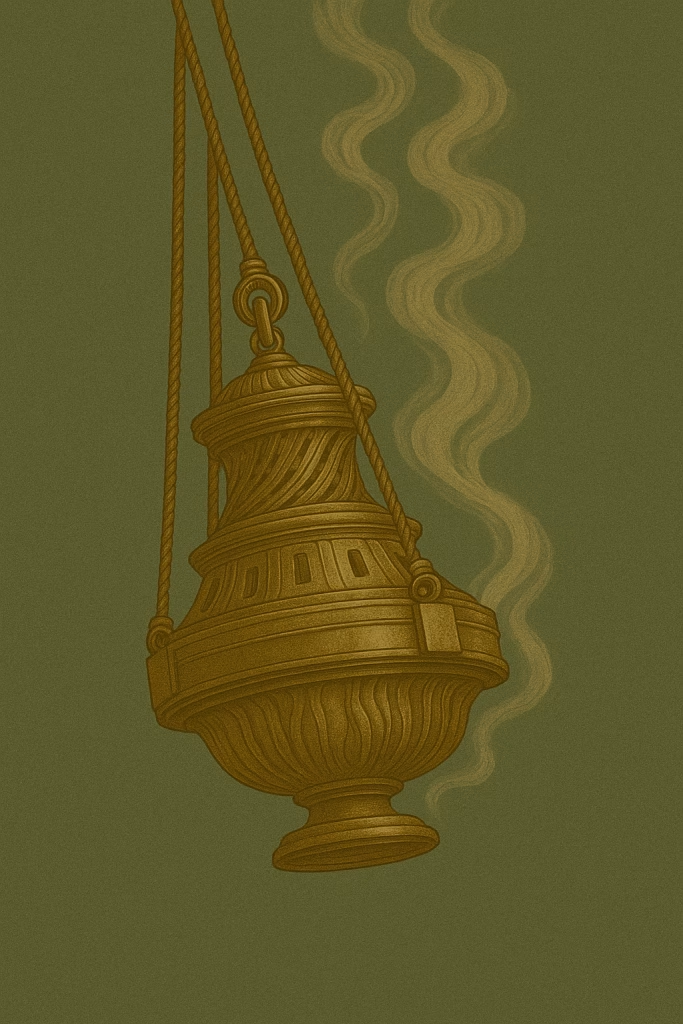
    Frankincense was embedded in the rites of ancient empires. Encyclopædia Britannica confirms that frankincense was used by the ancient Egyptians in their religious rites. It appears in Biblical and Greek sources: it was included in the Jewish Temple incense and famously given by the Magi to the infant Jesus. We can still see its legacy today: for example, a huge swinging censer called the Botafumeiro is used to burn frankincense during Mass in Spain’s Santiago de Compostela cathedral (see image below).

    In medieval and Renaissance Europe, churches burned frankincense regularly as a symbol of prayer rising heavenward. And across the West Asia, frankincense trade routes (the Incense Roads) once connected Arabia with Egypt, Greece and beyond. This rich history cements frankincense’s status as more than mere smoke – it’s a bridge between earth and the spiritual realm.

    Frankincense in Religious Traditions

    Christianity and Judaism: Frankincense is deeply woven into Judeo-Christian symbolism. In Jewish tradition the incense ketoret included frankincense, considered holy and pleasing to God. In Christian liturgy, both Catholic and Orthodox churches prize frankincense for its pure, uplifting aroma. The scent and smoke represent sanctification and prayer. (Indeed, Britannica notes that frankincense is still an important incense resin, particularly in Roman Catholic and Eastern Orthodox churches.) During Mass or liturgy, priests swing thuribles that release clouds of frankincense smoke – a practice that echoes those ancient temple rituals.

    spiritual meaning of frankincense, botafumeiro

    Figure: The Botafumeiro thurible at Santiago de Compostela. Incense (traditionally frankincense) is swung through the cathedral to fill the air with sacred smoke.

    Islam and West Asian Traditions: In Islamic and Arabian culture, frankincense also carries spiritual weight. It is often burned to create a clean, sacred atmosphere in mosques and homes. In Oman, for example, people greet guests with burning frankincense as a gesture of welcome. The same Times of Oman article explains frankincense’s role in all the great Abrahamic faiths: In various religious traditions, including Christianity, Judaism, and Islam, frankincense is used in ceremonies and rituals. Its ability to produce a calming, meditative state… has made it a staple in spiritual practices, enhancing prayer and reflection. Thus, in Muslim lands frankincense smoke purifies the air and heart, aligning with the idea of worship as cleansing the soul.

    Eastern Traditions: Frankincense (often called salai or loban in parts of Asia) appears in South Asian rituals. In India, Boswellia serrata (Salai) is used in Ayurveda and sometimes in temple pujas (Ultimate Guide to Frankincense: Royal Hojari, Olibanum, and Luban Explained – Kohẓen). Its woody, grounding aroma is used in homes and meditation halls to aid concentration. Likewise, in parts of Southeast Asia and Tibet, incense including frankincense is offered at altars to Buddhas or ancestors as a symbol of devotion. (Eastern tradition often favors locally-grown incense, but the purpose is similar: to focus the mind and honour the divine.) Across these cultures, the pattern is clear: burning frankincense is a universal signal of something sacred happening.

    Frankincense’s Symbolic Meanings

    Many spiritual users describe frankincense as a bridge between the material and divine. Its sweet, uplifting scent is said to invite spiritual clarity and cleanse negativity. Practitioners believe it can clear the mind and open the spirit. As one author puts it, burning frankincense (frankencense) may help clear the mind, open … the spiritual senses. In metaphysical terms, frankincense represents purification and prayer: the ascending smoke symbolises prayers rising to heaven. It has also been associated with the heart chakra in some New Age traditions, promoting feelings of love and compassion.

    Modern writers on aromatherapy echo these ideas. Healthline notes that olibanum (frankincense) oil has many uses, notably for spiritual purposes, perfumes, and aromatherapy. It emphasizes that frankincense “was originally and religiously used as incense” and “is still used in aromatherapy today”. In practice, many meditators light frankincense resin or diffuse its oil to quiet the mind. Users frequently report feeling calmer, more focused, or even euphoric when its resin smoke wafts through a room. The scent seems to slow the breath and steady the thoughts, making it easier to enter a meditative or prayerful state. These spiritual benefits – peace, purity and presence – are as valued as any physical effect.

    Scientific Perspectives on Frankincense

    It may surprise some that science is now uncovering mechanisms behind these traditional beliefs. For example, a 2008 study in FASEB Journal identified incensole acetate, a constituent of Boswellia resin, as a brain-active compound. The researchers showed that incensole acetate is a potent activator of TRPV3 channels in the brain, and when given to mice it produced anxiolytic-like and antidepressive-like behavioural effects. In plain terms, frankincense contains natural molecules that may directly calm the nervous system. The authors conclude this could be “a biological basis for deeply rooted cultural and religious traditions” of burning incense.

    Other scientific reviews report similar findings. A Polish study notes that Boswellia resin has been believed to have… anxiolytic and anti-neurotic effects,” and confirms in trials that frankincense extracts can indeed act as a mild tranquilliser. Studies of essential oils in general also credit frankincense with stress-relief. For instance, a recent survey of aromatherapy research found that applying frankincense oil to skin or inhaling it lowered stress hormones and produced mood-elevating, anxiolytic effects in test subjects. In one experiment, sleep-deprived rats given frankincense oil showed reduced cortisol levels and more stable moods.

    Beyond mood, emerging studies hint at cognitive benefits. In a small human trial, elderly men who took frankincense supplements for a month showed improved motor memory acquisition and retention. This suggests possible neurological support, which could indirectly aid meditation and learning. Other lab research highlights boswellic acids (from Boswellia) as anti-inflammatory agents in arthritis and asthma, hinting at frankincense’s holistic health potential. Taken together, these findings align remarkably well with traditional claims: frankincense does seem to help the mind relax, lift spirits and perhaps even sharpen faculties under some conditions.

    Frankincense in Aromatherapy and Wellness

    Today frankincense features prominently in aromatherapy and alternative wellness. Its essential oil (often labeled Olibanum oil) is commercially available for diffusing or topical use. Healthline’s holistic guide notes that frankincense oil is valued for its anti-inflammatory and antimicrobial properties, and is used in skin-care, wound healing, and even as a complementary therapy for inflammatory conditions. It cautions against ingestion, but confirms that diluted topical application is generally considered safe.

    Importantly for our theme, modern wellness practitioners stress frankincense’s psychological benefits. As one review notes, frankincense (olibanum) is used in aromatherapy to reduce stress, enhance mood and improve concentration. Indeed, diffusing frankincense oil or burning resin can create a calm, focused environment for yoga, meditation or prayer. Its earthy, spicy scent is thought to center the emotions. While heavy scientific claims require more evidence, many aromatherapists and meditation teachers confidently cite frankincense as a tool to deepen mindfulness. The traditional “medicine” of spiritual ritual thus finds a place in today’s practice of holistic wellness.

    Modern Uses of Frankincense

    How can one experience frankincense’s spiritual side? Traditionally, burning the resin on charcoal is the simplest way. Place a piece of resin on a lit charcoal disc in an incense burner; the resin will smoulder, releasing aromatic smoke. As it rises, use that moment to breathe deeply, set intentions or say a prayer. Alternatively, frankincense resin “tears” can be placed in a small bowl of hot sand or heated in an oil burner for a subtler aroma. In many cultures, it’s common to waft the smoke around the body or room as a cleansing ritual.

    For a more sustained fragrance, diffusing frankincense essential oil works well. Add a few drops of 100% pure frankincense oil to a diffuser or to a bowl of hot water in a well-ventilated space. Health experts recommend diluting essential oils, so pairing 1 drop of frankincense with about 30ml (1 ounce) of a carrier oil (like jojoba or almond) is safe for topical use. You can then apply a tiny amount behind the ears or on pulse points as a natural perfume. Always do a patch test first: a very small skin irritation risk exists for some people. Do not ingest frankincense oil or resin without professional guidance.

    Whether as smoke or scent, frankincense can be incorporated into a daily routine. Try lighting it before meditation, diffusing it during a yoga session, or simply carrying its resin as a talisman for calm. Beyond ritual, its calming aroma makes it popular for creating a soothing home environment – for example, lighting frankincense incense at bedtime may help settle the mind. The key spiritual benefit is the state it induces: users frequently report feeling uplifted, focused and cleansed of anxious thoughts when using frankincense. This in turn supports deeper prayer or mindfulness.

    FAQ

    Q. What is the spiritual significance of frankincense?

    Frankincense symbolizes purity, prayer and connection to the divine. It is thought to purify the environment and one’s thoughts. Many traditions believe the smoke carries prayers heavenward. As one source notes, burning frankincense creates a calming, meditative state that “enhances prayer and reflection”. It also represents offerings and devotion (e.g. it was a gift of the Magi to Jesus). In short, its spiritual meaning is about creating sacred space and inner clarity.

    Q. What are the frankincense spiritual benefits for meditation or prayer?

    Practitioners often use frankincense to improve concentration and induce tranquility. Aromatherapy research shows frankincense can lower stress and anxiety markers, so it helps the mind relax. Many people find their breathing slows and thoughts calm as the fragrance fills the air. This prepares the mind for meditation or focused prayer. In effect, the spiritual benefits are emotional: less anxiety, more peacefulness, and a heightened sense of presence. Users also report greater emotional balance and openness during rituals with frankincense.

    Q. Are there scientific studies supporting frankincense’s effects on mood and focus?

    Yes. Modern studies have begun to validate traditional claims. The notable study mentioned in this blog post found that incensole acetate from frankincense produces anxiolytic and antidepressive effects in mice. Another research review highlighted frankincense’s mood-elevating, anxiolytic outcomes in animal tests. In humans, a trial of frankincense supplement showed improved memory retention in older adults, hinting at cognitive benefits. While more human trials are needed, these findings align with anecdotal reports of increased calm and mental clarity. In short, preliminary science does support frankincense’s calming and focus-enhancing reputation.

    Q. How should I use frankincense safely in spiritual practice?

    The most common methods are burning resin or diffusing oil. When burning resin on charcoal, do so in a fireproof container and ensure good ventilation. For essential oil, use a diffuser or dilute the oil before topical use. As Healthline advises: dilute about 1 drop of oil per 1 oz of carrier oil when applying to skin. Frankincense oil can be strong, so avoid ingesting it and never apply it undiluted. A simple ritual: hold the resin or oil, set your intention (prayer, affirmation, or goal), then light/diffuse it and breathe deeply while reflecting quietly. Always keep a window cracked, and never leave burning incense unattended.

    Q. Can frankincense really relieve anxiety or stress?

    Many users say yes, and some studies back it up. Research indicates frankincense oil can lower stress hormones and produce calmative effects. In aromatherapy practice, frankincense is prized for reducing anxiety. Traditional medicine literature also describes Boswellia as having tranquilising and anxiolytic properties. While it’s not a substitute for professional treatment, simply inhaling frankincense’s soothing aroma can help shift a tense mindset. Many find it helpful for grounding and easing anxious thoughts during meditation or prayer.

    Key Takeaways

    • Frankincense (Boswellia resin) has been sacred incense in many faiths for thousands of years, symbolising purity, prayer, and divine connection.
    • Ancient and modern traditions burn frankincense smoke to cleanse spaces, carry prayers upward, and induce a meditative mindset.
    • Scientifically, frankincense’s active compounds have been shown to reduce stress and anxiety in studies, offering a possible biological basis for its calming lore.
    • Aromatherapy and research highlight frankincense’s mood benefits (calm, clarity, focus) and physical properties (anti-inflammatory effects).
    • To enjoy frankincense’s spiritual benefits, burn the resin or diffuse its oil in a safe, ventilated space, using diluted oils for topical use.
    • Kohzen sources authentic frankincense from Oman and Somalia, preserving these ancient traditions in modern rituals (learn more on our About page).

    Discover the profound scent and serenity of frankincense for yourself. Enhance your rituals and meditation with authentic Boswellia resin or oil from Kohzen’s collection. Visit the KohzenOfficial Etsy shop to browse our premium frankincense resins, oils, and incense products – and bring home the essence of this sacred resin.

    For practical home setup, see How to Use Frankincense Resin Like a Pro and the Ultimate Guide to Frankincense.