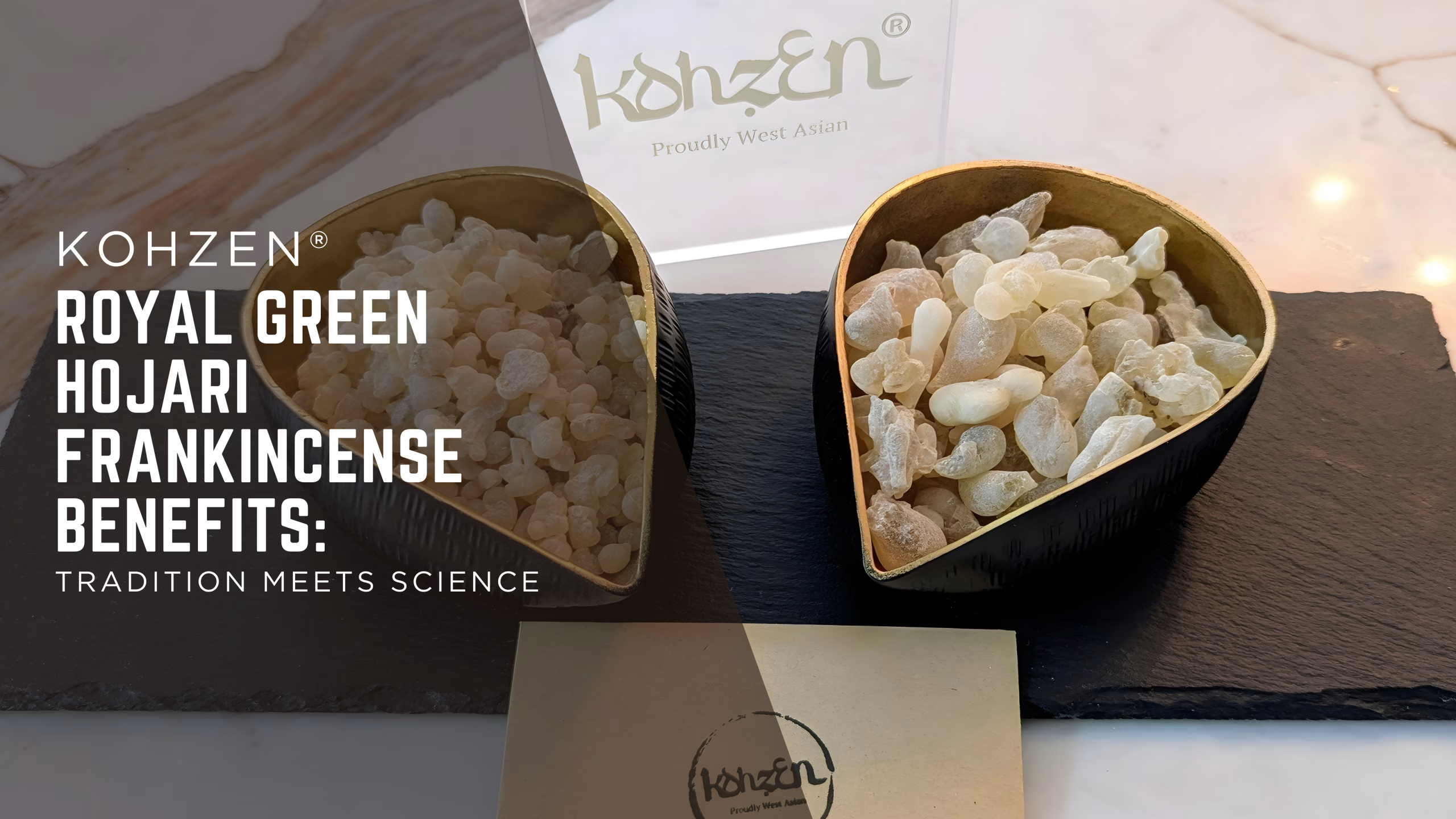
Royal Green Hojari frankincense is often hailed as the pinnacle of frankincense resins – a rare, emerald-hued grade once reserved for Omani royalty kohzen.com. For thousands of years, cultures have revered frankincense for its wellbeing benefits, from spiritual rituals to folk remedies. Today, modern science is beginning to explore and validate many of these Royal Green Hojari frankincense benefits, bridging ancient tradition with cutting-edge research. In this post, we delve deep into both the cultural significance and the emerging scientific findings on this prized resin, all while keeping a balanced perspective on what’s known (and unknown).
(Kohzen Disclaimer: This information is educational; always consult a healthcare professional for medical advice.)
Experience the purity of Royal Green Hojari Frankincense – try Kohzen’s Royal Green Hojari Oil on Etsy, a slow-infused treasure from Oman.
Cultural Uses and Non-Clinical Wellbeing Benefits
A Sacred Aroma for Mind and Spirit: Frankincense has been intertwined with spiritual and cultural practices for millennia. Burned as incense in temples, churches, and meditation rituals, its woody-citrus smoke is said to calm the mind and elevate spiritual connection. Intriguingly, science may affirm this ancient wisdom: a landmark 2008 study found that incense smoke (specifically a frankincense compound called incensole acetate) produced anxiolytic (anxiety-reducing) and antidepressant-like effects in animals birmingham.ac.uk.
This suggests that the soothing “church incense” effect is not just psychological – the resin’s chemistry can activate brain pathways linked to calm and mood birmingham.ac.uk. Culturally, many people simply describe feeling tranquil or spiritually “centered” when breathing frankincense fumes during prayer or meditation. While these effects are hard to quantify, they underscore frankincense’s enduring reputation as a natural stress-reliever and aid to mental wellbeing.
Traditional Medicine and Folk Remedies: Beyond its sacred smoke, frankincense has a rich history in traditional medicine across the West Asia, Africa, and Asia. Historical records show that as early as 2600 BC, Mesopotamians were using frankincense (and its cousin myrrh) to treat ailments like colds and inflammation yaledistilled.sites.yale.edu. In Ayurveda and Traditional Chinese Medicine, frankincense (often called Salai or lubān) has been used for everything from arthritis pain to wound healing. These uses were non-clinical in the modern sense – based on observation and tradition – yet they persisted because many people found relief.
For instance, Omani and Yemeni communities have long chewed frankincense resin like gum, believing it strengthens teeth and aids digestion. This folk practice doubles as a natural toothbrush; even today, locals claim that chewing luban freshens the breath and soothes the stomach. Modern research hints there’s something to it: in one small trial, volunteers who chewed frankincense gum showed reduced oral bacteria levels over hours healthline.com, supporting the idea that frankincense’s antiseptic properties can improve oral hygiene. Likewise, frankincense’s use for upset stomach in folk medicine aligns with its known anti-inflammatory effects (more on that in the next section).
Bring ancient wellness into your life with Kohzen’s Royal Green Hojari Frankincense Infusion Oil – wild-harvested in Oman and crafted for mindful rituals.
Purifying Spaces – Aromatically and Physically: Culturally, burning frankincense resin has been a way to purify one’s surroundings – whether to please the gods or ward off “bad energy.” Interestingly, science suggests frankincense smoke purifies in a literal sense too. A 2023 study by Sultan Qaboos University tested Omani frankincense (Hojari grade) and found that its smoke has potent antimicrobial powers pubmed.ncbi.nlm.nih.gov. The researchers reported inhibition of airborne bacteria, yeasts, and mold in the vicinity of the burning resin pubmed.ncbi.nlm.nih.gov. In essence, our ancestors who burned frankincense in sickrooms or during plagues may have been disinfecting the air without knowing it.
This antimicrobial effect, coupled with the pleasing aroma, explains why frankincense smoke has symbolized cleansing and renewal in so many cultures. Even without clinical data, many people today use frankincense resin or oils in non-clinical wellbeing routines – for example, diffusing the scent during yoga, adding a few drops of frankincense oil to baths for relaxation, or using the resin-infused oil for massage. These practices are about enhancing one’s environment and mood naturally, anecdotally supporting stress relief, focus, or emotional balance.
“Liquid Gold” for Skin and Self-Care: Frankincense has also been treasured in the realm of beauty and self-care. Ancient Egyptian texts mention charred frankincense in kohl eyeliner and ground frankincense in rejuvenating face masks. Today’s holistic wellness enthusiasts likewise use frankincense resin and oils in skincare, claiming it helps tone the skin, reduce blemishes, and slow signs of aging (it’s rich in antioxidants). While solid evidence is limited, frankincense’s anti-inflammatory nature could explain soothing benefits on irritated skin.
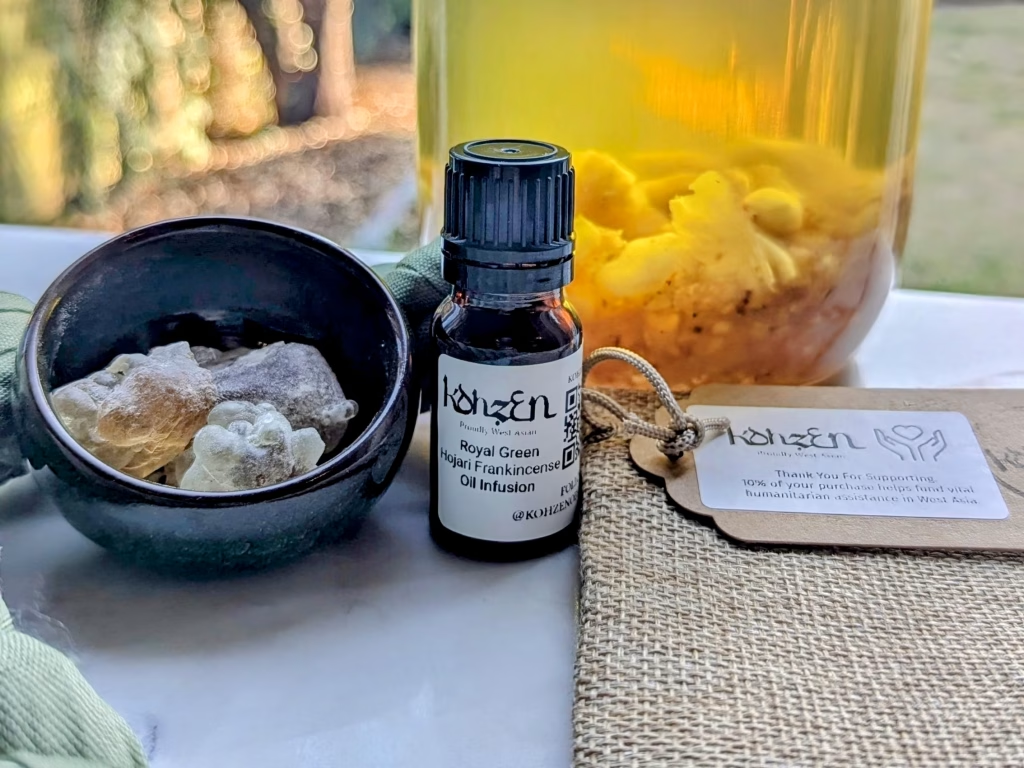
At the very least, a frankincense-infused oil provides a nourishing, aromatic massage experience. Royal Green Hojari, being the purest form, is especially prized for making such infusion oils (as opposed to distilled essential oils) because the whole resin’s compounds – including boswellic acids – are released over weeks of infusion. People who use these oils often report softer skin and a sense of relaxation after a massage or bath. Again, these are wellbeing benefits that, while not fully quantified by science, are deeply rooted in cultural experience.
Discover the ancient secrets of frankincense with Kohzen’s Royal Green Hojari Oil – a therapeutic oil infusion preserving boswellic acids for maximum benefit.
Modern Scientific Insights into Frankincense Benefits
(Kohzen Disclaimer: This information is educational; always consult a healthcare professional for medical advice.)
In recent decades, scientists have turned their attention to frankincense to verify what traditional healers long claimed. Boswellia sacra (the species yielding Royal Hojari) is packed with unique phytochemicals – notably boswellic acids and terpenes – that are now known to exhibit medicinal properties. Here are some key frankincense benefits that have been identified or supported by academic research:
Anti-Inflammatory and Joint Health
One of the most well-documented effects of frankincense is its anti-inflammatory action. Pharmacological studies show that boswellic acids from frankincense can inhibit 5-LOX (5-lipoxygenase) and other enzymes involved in inflammation blogs.the-hospitalist.org. In plain terms, frankincense may block the formation of leukotrienes, molecules that cause inflammation and swelling healthline.com. This is exactly why Boswellia extracts have been used in natural remedies for arthritis. Clinical evidence, while still emerging, is promising: A 2018 systematic review found frankincense extracts were consistently more effective than placebo at reducing osteoarthritis pain and improving mobility healthline.com. Another trial reported that taking 169 mg of Boswellia extract twice daily over 4 months significantly reduced knee pain and stiffness in people with osteoarthritis, without serious side effects healthline.com. Some patients even use topical frankincense preparations on joints; one study noted that an olibanum (frankincense) oil applied to knees for 6 weeks reduced pain, albeit without major functional improvements healthline.com. For rheumatoid arthritis (an autoimmune form), animal studies indicate Boswellia can curb inflammation, though perhaps not as strongly as standard meds healthline.com. All this evidence aligns with frankincense’s millennia-old reputation as an anti-inflammatory remedy for joint pain. It’s important to stress, however, that while frankincense supplements may help arthritis symptoms healthline.com, they are not a cure and should complement (not replace) doctor-prescribed therapies.
Gut and Digestive Benefits
In traditional medicine, frankincense was used for digestive complaints (e.g. colicky pain or diarrhea). Modern research suggests Boswellia could indeed benefit the gut, especially in inflammatory conditions. A 2017 randomized study found that a herbal formula containing frankincense significantly reduced symptoms of irritable bowel syndrome (IBS) – patients reported less abdominal pain, bloating, and even improvement in IBS-related anxiety healthline.com. In mild ulcerative colitis (an inflammatory bowel disease), a Boswellia extract taken daily for 4 weeks helped maintain remission and improved symptoms compared to baseline healthline.com. There’s also evidence that Boswellia has antioxidant effects in the gut and can reduce colitis severity in animal models healthline.com. These findings echo an older use of frankincense resin – in the West Asia, swallowing a small piece of luban resin in water is a folk remedy for stomach inflammation. While more large-scale human trials are needed, the early data suggest frankincense’s anti-inflammatory prowess extends to the digestive tract, potentially offering a natural supplement option for IBS or colitis sufferers (with doctor approval).
Respiratory and Immune Support
Frankincense’s aroma isn’t just pleasant; it might also open up your airways. Historical texts describe burning frankincense for relief in coughs, bronchitis, and “to clear bad air.” Modern studies have observed that Boswellia compounds can help in asthma by reducing airway inflammation. For example, boswellic acids appear to inhibit the production of leukotrienes that cause bronchial muscle constriction healthline.com. In one small clinical study, asthma patients who added 500 mg of Boswellia extract daily to their standard inhaler therapy were able to use their inhalers less often over a 4-week period, thanks to improved breathing healthline.com. Another trial using a combo of frankincense and a traditional fruit extract showed better reduction in asthma symptoms than placebohealthline.com. These are encouraging results for those seeking natural respiratory support. Additionally, Boswellia’s immune-modulating effects have drawn interest for diagnoses like multiple sclerosis (MS). A pilot trial in Germany gave RRMS patients a frankincense extract for 8 months and saw a significant drop in brain inflammation – MRI scans showed fewer active lesions compared to before treatment blogs.the-hospitalist.org. The extract may also increased patients’ regulatory T-cells and reduced pro-inflammatory T-cells, indicating a calming of the overactive immune responseblogs.the-hospitalist.org. While preliminary, this suggests frankincense could one day complement autoimmune disease management blogs.the-hospitalist.org. It’s quite remarkable that a natural resin used in ceremonies for “cleansing” may literally help regulate immune processes, though much more research is needed.
Cognitive and Mental Health
We’ve touched on frankincense’s anxiolytic fragrance, but could it actually enhance brain function? Some research hints at neuroprotective benefits. A fascinating clinical study in 2019 tested frankincense consumption in older men (who had mild cognitive impairment) over 4 weeks. The result: those taking 500 mg frankincense capsules twice daily showed significantly better acquisition and retention of motor memory (learning physical tasks) than those on placebo pmc.ncbi.nlm.nih.gov. This implies frankincense might support learning and memory, possibly by mechanisms like promoting cerebral blood flow or reducing neuroinflammation. In animal studies, frankincense compounds have exhibited antidepressant-like effects (recall incensole acetate’s impact on mood). There’s even traditional precedent – in Persian medicine, frankincense was given to pregnant women to “make the child intelligent,” and some cultures burned it to improve focus. While such claims need validation, early science suggests cognitive benefits ranging from improved memory to potentially slowing neurodegeneration. Boswellia extracts are being examined for diseases like Alzheimer’s in preclinical models, given their anti-inflammatory and antioxidant nature. It’s too soon to say if frankincense is a “brain booster,” but this is an exciting area of research that could add a modern dimension to frankincense’s health profile.
Elevate your wellness journey with Kohzen’s Royal Hojari Frankincense Oil – a premium infusion that nourishes mind, body, and spirit.
Antimicrobial and Oral Health
We’ve seen how frankincense smoke can sanitize air, but what about direct effects on germs and our health? Laboratory tests confirm that frankincense resin and its oils have broad-spectrum antimicrobial activity. They can suppress harmful bacteria, fungi, and even some pathogenic viruses pubmed.ncbi.nlm.nih.gov. One in vitro study noted frankincense extracts were effective against Porphyromonas gingivalis and Aggregatibacter actinomycetemcomitans – nasty bacteria that cause gum disease healthline.com. This aligns with traditional uses of frankincense for dental health (chewing the resin, as mentioned). In a small experiment, people chewing a frankincense-containing gum for several hours experienced progressively lower oral microbe counts, suggesting it actively reduced bacterial load in the mouth healthline.com. Additionally, Boswellia’s antifungal properties might help with minor skin or scalp issues in topical applications. While one shouldn’t rely on frankincense alone to fight infections, these properties make it a valuable supportive remedy. It’s not surprising that ancient embalmers included frankincense in mummy wrappings – its preservative, antimicrobial nature helped stave off decay.
Emerging Frontiers in Oncology
Perhaps the most cutting-edge (and speculative) area of frankincense research is in oncology. Scientists have observed in petri dishes that frankincense essential oil and boswellic acids can induce apoptosis (programmed death) in certain cancer cell lines.
Over 300 molecules are present in frankincense and boswellic acids are among the most well known. Archaeologists use their detection – using their characteristic mass spectra – to find frankincense in ancient artefacts. They are also believed to have anti-inflammatory properties and it has been suggested they may also have a role in cancer therapy.
Source: University of Birmingham, 2017
There are case reports and preliminary trials hinting that Boswellia extracts might shrink tumors or enhance chemo effects – for instance, a boswellic acid supplement was shown to reduce brain tumor-associated edema (swelling) in patients, improving their quality of life pubmed.ncbi.nlm.nih.gov. These findings have prompted clinical trials. In 2017, the Medical University of South Carolina (MUSC) launched a trial giving breast and colon cancer patients Boswellia serrata extract in the weeks before surgery musc.edu. The goal was to see if frankincense changes the tumor biology or inflammation markers in human patients. Researchers note that boswellic acid’s structure is similar to anti-inflammatory drugs like ibuprofen, suggesting it could suppress the inflammation that fuels cancer progression musc.edu.
Read More Here: Hollings researchers find Boswellia, an extract of frankincense, shows anti-cancer activity in patients with breast cancer — Nancy Klauber-DeMore, M.D; Ingrid Bonilla Valente, M.D
While this is promising, experts urge caution: no one should consider frankincense a proven cancer treatment at this time. Oncologists like Dr. Nancy DeMore stress that rigorous trials are needed and patients should not replace standard therapies with frankincense or any herb musc.edu. It’s a hopeful area of study, illustrating how even the most venerable natural remedies can yield new medical insights.
Beyond cancer, other frontiers include frankincense’s effect on cardiovascular health (e.g. possible cholesterol-lowering or blood-thinning properties observed in animal studies) and its use in integrative medicine for chronic pain or anxiety disorders. As research continues, we may see Royal Hojari frankincense take a more prominent role as a complementary therapy, validating the benefits that traditional users have celebrated for ages.
Takeaways: Bridging Ancient Wisdom and Modern Wellness
From the incense-filled temples of antiquity to the laboratories of today’s top universities, frankincense’s reputation as a healing resin has stood the test of time. Royal Green Hojari, in particular, symbolizes the height of quality – a frankincense so pure and aromatic that it was literally fit for kings. Culturally, it has uplifted spirits, cleansed spaces, and eased ailments as a holistic wellbeing aid.
Scientifically, we now understand many of the reasons why: potent anti-inflammatory compounds, anxiolytic aroma molecules, and antimicrobial resins all contribute to frankincense’s effects. When you burn a piece of Hojari incense or apply a few drops of frankincense oil to your skin, you’re engaging with a natural pharmacy that humans have been tapping into for over 5,000 years.
That said, it’s important to approach frankincense with realistic expectations. Disclaimer: While research is illuminating frankincense’s therapeutic potential, it is not a magic cure-all. Frankincense preparations (resins, oils, capsules) are best used as complementary wellness tools – for example, to promote relaxation, support meditation, or perhaps as an adjunct for joint health – rather than as standalone treatments for serious conditions. Always consult with a healthcare provider before using frankincense or any supplement for health purposes. At Kohzen, we celebrate the rich heritage and emerging science of frankincense, but we are not doctors and do not offer medical advice.
Incorporating Royal Green Hojari frankincense into your lifestyle can be as simple as enjoying its incense during a quiet evening or using a few drops of infused oil in a self-massage. Such rituals bring a bit of ancient luxury into the modern day, and many find that it enhances their overall wellness routine – providing moments of calm, clarity, and connection. Royal Green Hojari frankincense’s benefits, ultimately, are about mind-body wellbeing: it’s the soothing ritual, the cherished aroma, and the natural chemistry working in harmony. As ongoing research continues to decode frankincense’s secrets, one thing remains clear – this “king of resins” has an enduring place in both our cultural heritage and our pursuit of health in the 21st century.
Ready to experience frankincense for yourself? Explore Kohzen’s Royal Green Hojari Frankincense Infusion Oil on Etsy and embrace the benefits of this ancient Omani resin in your daily wellness routine.
FAQ: Royal Green Hojari Frankincense Benefits
Q1. What is Royal Green Hojari frankincense and why is it considered so special?
Royal Green Hojari frankincense comes from the Boswellia sacra trees of Dhofar in Oman and is hand-sorted for its pale green, translucent tears. It’s traditionally regarded as the highest grade because it has a clean, lemon-pine aroma, low impurities, and a high concentration of resin acids (including boswellic acids) compared with many commercial grades.
Want a deeper dive? Read our Ultimate Guide to Frankincense post to learn more about the history of frankincense.
Q2. What are the main Royal Green Hojari frankincense benefits for everyday wellbeing?
The most commonly cited royal green hojari frankincense benefits relate to non-clinical wellbeing: its scent is used to support relaxation, prayer, meditation, mindful breathing, and the creation of a calm atmosphere at home. Laboratory and early clinical studies on frankincense more broadly suggest anti-inflammatory, antimicrobial, and mood-modulating properties, but these are usually based on standardised extracts, not on any one brand or home preparation.
Q3. Is there scientific evidence behind Royal Green Hojari frankincense benefits?
Modern research has focused on Boswellia extracts in general, which include the same family of compounds found in Royal Green Hojari. Studies have reported that boswellic acids can help reduce inflammatory markers and improve symptoms in conditions like osteoarthritis and irritable bowel syndrome when used as standardised supplements under clinical supervision. However, these trials do not test specific retail products or simple home infusions, and results should not be generalised as medical claims for any particular oil or resin.
Q4. How is Royal Green Hojari frankincense different from other frankincense resins?
All frankincense comes from Boswellia trees, but Royal Green Hojari is a premium selection from Boswellia sacra, harvested in a specific Omani micro-region and graded for its pale green colour and clarity. Cheaper grades or other species (like Boswellia serrata or B. carterii) may have more bark, dust, or darker resin and a harsher aroma profile. In practice, the perceived royal green hojari frankincense benefits often include a smoother scent, cleaner burn, and greater prestige in traditional ceremonies.
Q5. Can Royal Green Hojari frankincense help with stress, mood, or meditation?
Culturally, frankincense has been burned in temples, churches, and homes for centuries to encourage contemplation, prayer, and emotional balance. Experimental work on frankincense compounds suggests that some components can influence brain pathways linked with anxiety and low mood in animal models, supporting its traditional use as a soothing aroma. From a wellbeing perspective, many people find that incorporating Royal Hojari incense or oil into meditation, breathwork, or evening wind-down routines enhances focus and relaxation – but these experiences are personal and not guaranteed outcomes.
Q6. Is it safe to burn Royal Green Hojari frankincense at home?
When used occasionally in a well-ventilated room, burning a small amount of high-quality frankincense resin is generally considered safe for most healthy adults. Studies show that frankincense smoke may have antimicrobial effects against airborne bacteria and fungi, but they also note that fine particulate matter in smoke can irritate the lungs, especially in people with asthma or other respiratory conditions. If you are sensitive to smoke, limit the amount you burn, ventilate the space, and speak to a healthcare professional if you have concerns.
Q7. Can I ingest Royal Green Hojari frankincense or drink it as tea or water?
Some traditional practices involve chewing frankincense or steeping small pieces in water, but major health sites and safety reviews advise caution with ingestion. Concentrated oils in particular should not be swallowed unless under professional supervision, as essential oils can irritate the gut, interact with medications, and cause toxicity.
If you’re curious about frankincense tea or water, read out “Frankincense Tea vs Frankincense Water” post to learn more. Always check with a doctor before ingesting any new herbal product.
Q8. Are there any side effects or people who should avoid using frankincense?
Most people tolerate frankincense resin and diluted oils well, but possible side effects include skin irritation, allergic reactions, and, with heavy smoke exposure, respiratory discomfort. Pregnant or breastfeeding people, those with chronic lung, kidney, or liver conditions, and anyone taking prescription medication should seek medical advice before using frankincense.
Q9. Does frankincense really help with joint or digestive issues?
Some randomised controlled trials using standardized Boswellia extracts (often derived from B. serrata) have shown improvements in knee osteoarthritis pain, stiffness, and irritable bowel symptoms compared with placebo. These findings are promising, but they relate to specific, clinically tested extracts – not to all resins, home infusions, or oils. Royal green hojari frankincense benefits in this area should therefore be described cautiously as supportive or complementary at best, and never as a substitute for diagnosis or treatment from a qualified clinician.
Q10. How can I safely enjoy Royal Green Hojari frankincense benefits at home?
For most people, the safest way to enjoy Royal Green Hojari frankincense benefits is through gentle aromatherapy and mindful ritual use. You can burn a small piece of resin on charcoal in a well-ventilated space, or apply a well-diluted infusion or oil blend to the skin as part of massage, grounding touch, or other non-clinical self-care practices (see guidance from Healthline).
Avoid ingesting essential oils, keep frankincense products away from children and pets, and always seek medical advice if you have underlying conditions or sensitivities.
For more ideas and safe methods of use, explore:
Ultimate Guide to Frankincense Rituals
Real Frankincense Incense Sticks
What to look for when buying frankincense oil
Read More on the Kohzen Blog.
Disclaimer: The information in this FAQ is for cultural, historical, and educational purposes only. It discusses research on frankincense in general and traditional reports of royal green hojari frankincense benefits, but it does not constitute medical advice, diagnosis, or treatment. Kohzen products are not intended to treat, cure, or prevent any disease. Always consult a qualified healthcare professional before using frankincense or any supplement, especially if you are pregnant, breastfeeding, have a medical condition, or take prescription medication.