- What Is Frankincense Water? Tradition in a Cup
- Cultural & Historical Significance
- Why is Frankincense Water Cloudy?
- Myths and Misconceptions: Is Cloudy Frankincense Water Bad?
- Beginner-Friendly Tips for Making Frankincense Water
- Choosing Quality Frankincense Resin
- Respectful Preparation Practices
- Frankincense Water Cloudy Takeaways
- Frequently Asked Questions
What Is Frankincense Water? Tradition in a Cup
Frankincense water is simply a homemade herbal infusion made by steeping frankincense resin in water herbaldimensions.com. Traditionally popular in West Asia (especially Oman, Yemen, and Arabia) and parts of South Asia and Africa, this practice turns centuries old knowledge into a modern ritual. As one source explains:
“Frankincense water is an infusion of Frankincense resin in water. It is a traditional Middle Eastern preparation…” herbaldimensions.com.
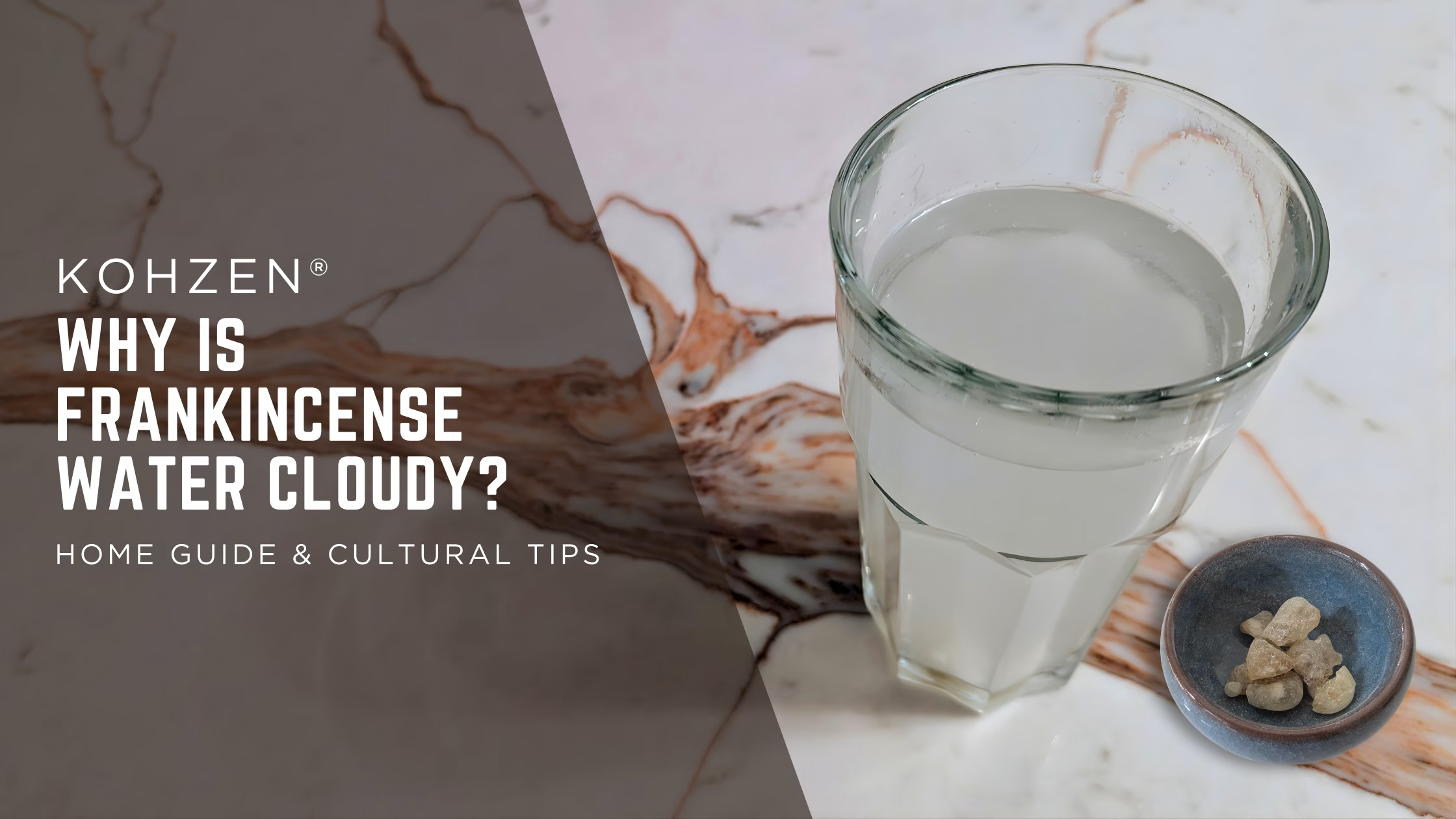
Why is frankincense water cloudy? In practice, you take pure frankincense “tears” – the natural sap resin of the Boswellia tree – and let them sit in warm (or sometimes cool) water. Over hours or even overnight, the water absorbs some of the resin’s aromatic oils and water-soluble compounds, producing a lightly fragrant drink.
This method has humble roots: for generations, people from Bedouins to yogis have prepared simple frankincense water as a soothing beverage, a spiritual offering, or a cleansing rinse for the skin. While it’s not a commercial product, it connects modern wellness with a cultural tradition of using incense resins for refreshment. (For more on these traditions, see our post “7 Traditional Uses of Frankincense Water”.)
Cultural & Historical Significance
Frankincense (often called lubān al-dhakar in Arabic) is more than an ingredient; it’s a heritage. The UNESCO World Heritage site “Land of Frankincense” in Oman commemorates how this resin fueled ancient trade routeswhc.unesco.org. For centuries the incense trade was one of the world’s most important commoditieswhc.unesco.org, and frankincense figured in religious offerings, royal ceremonies, and daily rituals. Today in Dhofar (Oman) and beyond, frankincense is still valued as a sacred gift – and drinking frankincense water can be seen as part of that living tradition.
Even outside the Middle East, many Ayurvedic and traditional medicine systems recognise boswellia (frankincense) resin. Traditionally it was used in teas or decoctions (often post-fasting or after a meal) for general well-being. In some cultures, for example, elders might sip a bit of frankincense water as a digestive aid or to soothe tension at the end of the day. Though we won’t make medical claims here, it’s worth noting that these folk uses reflect a respect for frankincense’s aromatic and potential soothing properties. The key takeaway: frankincense water is embedded in tradition and ritual, valued for its sensory experience as much as anything else.
Curious about how to use frankincense resin in different ways?
Explore our Ultimate Guide to Frankincense to learn about its rich history, spiritual uses, and practical rituals.
Why is Frankincense Water Cloudy?
The signature cloudiness is a very common outcome of making frankincense water, and it has straightforward causes:
- Natural Resin Composition: Frankincense is an oleo-gum-resin, meaning it contains aromatic oils, hard resins, and sticky gummy polysaccharides. When you soak the resin in water, the water-soluble gums (polysaccharides) dissolve and swell. These form tiny suspended particles (a mucilaginous suspension), which scatter light and make the liquid look milky ayublab.comresearchgate.net. In fact, analysis of Boswellia sacra (Omani frankincense) shows about 27–35% of its weight is water-soluble gum. Those polysaccharides make the frankincense more cloudy, as one source notesayublab.com.
- Temperature: Hot water helps release more of the resin’s gums and oils, which can accelerate cloudiness. If you pour boiling water over the resin, you’ll often see a rapid milky cloud form as the resin “dissolves.” Cooler water steeped overnight will turn cloudy more slowly but will still usually end up milky as the gums diffuse. Either way, some cloudiness is normal in a frankincense infusion.
- Resin Quality and Type: Not all frankincense resins behave the same. For example, Boswellia frereana (sometimes called Maydi incense) is unique in that it lacks significant water-soluble gumresearchgate.net. An infusion with frereana resin may stay surprisingly clear, whereas other types (like B. sacra, B. carterii, B. serrata, or B. papyrifera) contain more gums and cloud up more. In other words, the specific species and even the grade of resin will influence cloudiness. Traditional sources often note that lighter-colored resins (like “Royal” or “Green” Hojari) are preferred for drinking because they yield a cleaner infusionherbaldimensions.com.
- Water Minerals: Hard water or very mineral-rich water can introduce its own cloudiness (from calcium or other particles). If your tap water is very hard, you might see a white film or sediment from the minerals alone. Using filtered or distilled water can help clarify whether the murkiness is from the frankincense itself.
- Other Particulates: Sometimes tiny fragments of resin (fine powder or grit) remain suspended. As you pour in water or stir, some resin bits may float around before settling. Over time they will sink or can be strained out. Shaking the container after adding water is a common step (as in one guide) and indeed “you should see your water go cloudy as the frankincense resin dissolves into the water”herbaldimensions.com.
In summary, the cloudiness usually comes from the gum components of the resin slowly releasing into the waterayublab.comresearchgate.net. It’s a natural, even expected phenomenon – not a fault.
New to frankincense infusions?
Our guide Frankincense Tea vs Water: What’s the Difference? explains how to prepare both gently and mindfully.
Myths and Misconceptions: Is Cloudy Frankincense Water Bad?
It’s natural to worry that a cloudy drink might be spoiled or unsafe. Rest assured, in the case of frankincense water, milky cloudiness is not a bad sign (assuming the resin was clean to start with). It’s simply the resin’s benign plant gum at work. For example, chemistry experts explain that frankincense gums dissolve and create an “immiscible suspension (mucilage)” ayublab.com. This suspension is just like a herbal slurry – similar to how mint or ginger infusions might have tiny floaters.
Some people also confuse frankincense infusion with “oil in water” emulsions. However, frankincense oil itself is not very water-soluble; it tends to separate as a film. The cloudy part is primarily the polysaccharides and small resin particles. In fact, if you let frankincense water sit, you may eventually see a clearer layer and some sediment at the bottom – again, nothing harmful.
As long as you use clean glassware and fresh resin (without contamination), a milky frankincense infusion is as normal as tea turning a deep color. Many practitioners embrace the cloudiness as a sign that they’ve extracted the full essence of the resin. You can also use a fine cloth or coffee filter to strain the liquid – though you will also strain out some gum in the process, which many consider part of the experience and flavour.
Beginner-Friendly Tips for Making Frankincense Water
If you’re new to this infusion, a simple step-by-step approach can help:
- Choose a Clean Container: Glass or ceramic is ideal. These won’t react with the frankincense oils. A clear glass jar lets you watch the infusion turn color or cloudyherbaldimensions.com. Make sure it’s well rinsed so no leftover soap or residue clings.
- Use Whole “Tears”: Select high-quality, whole lumps of frankincense resin (see below). Start with about ½ to 1 teaspoon of resin per cup (200–300 ml) of water. You can break the resin into smaller pieces to fit, but whole pieces are easier to strain out later.
- Pour Hot (or Warm) Water: Many people use boiled water that’s been allowed to cool slightly (to avoid scorching the resin). Pour over the resin in the jar and swirl gentlyherbaldimensions.com. A quick shake or stir helps wet all the resin. You’ll immediately see the water begin to cloud as the resin “dissolves” (really, disperses its gums)herbaldimensions.com.
- Cover and Steep: Let the mixture infuse. You can steep for 2–4 hours on the countertop, or even overnight in the fridge. A gentle cover (like a lid or cloth) keeps dust out but allows a little air – but don’t seal an air-tight lid on hot liquid. The longer it sits, the more compounds release and the cloudier it may become. Many people find 8–12 hours (overnight) is convenient and yields a full-flavored brew.
- Strain and Store: After steeping, strain the liquid into another container (glass pitcher or jar). You’ll likely see some sediment or soft white bits left behind. That’s normal – you can discard or even chew the leftover resin pieces to enjoy every bit (yes, people chew frankincense!). The strained water can be kept in a clean bottle. Store it in the fridge to preserve freshness. It will keep at least 2–3 days chilled; some say up to a week, but it’s best when fresh. Always give it a smell test: if it smells off or vinegary, discard it.
- How to Drink: Enjoy your frankincense water cool or at room temperature. It has a light, zesty scent (similar to its resin’s citrusy aroma) and a slightly resinous taste. Some people sweeten it lightly with honey or a splash of fruit juice to balance the earthiness. Others add a slice of lemon or ginger to complement the flavor (though those ingredients will add their own cloudiness and taste). Remember this is a sensory experience – inhale the fragrance as you sip, and drink slowly.
- Ongoing Use: Frankincense resin can be reused for multiple batches. After straining, add fresh hot water to the same resin again. It will still infuse but usually weaker each time. Continue until the water no longer turns milky or loses aroma.
Storage and Safety
- Refrigeration: Keep the infused water refrigerated if not drinking immediately. This prevents any chance of unwanted bacteria growth. The cool temperature may slightly reduce cloudiness (polysaccharides can gel when cold) but that’s reversible when warmed back to room temp.
- Cleaning: Always use a clean, dry spoon or ladle to scoop resin out, and wash your hands before handling. Treat the resin respectfully.
- No Plastics: Acidic or oily resin components can leach plastics. Use glass or stainless vessels for storage.
- Sunlight: Store in a dark place or amber bottle; sunlight can degrade fragrance and cause unwanted algal growth.
- Warning: While frankincense is generally safe for most adults, avoid this drink if you have specific allergies or medical conditions without checking with a knowledgeable practitioner. (We won’t make health claims here – just enjoy it as a special aromatic drink.)
Want to go deeper into the cultural traditions behind frankincense water?
Discover historical and everyday uses in our post 7 Traditional Uses of Frankincense Water.
Choosing Quality Frankincense Resin
The experience starts with the raw resin. For a clear (and clean-tasting) infusion, quality matters:
- Species/Origin: The finest frankincense for drinking typically comes from Boswellia sacra (Oman, Yemen) or B. carteri (Somaliland). These are often labeled “Hojari” (especially the pale-green or white grades from Oman) or “Sookia”. Somali B. frereana (“Maydi”) is rare and pricier, but yields a very clear infusion because it has almost no water-soluble gumsresearchgate.net. Less expensive resins include B. serrata (India) and B. papyrifera (Ethiopia); these are still lovely but may be darker and cloudier.
- Color and Appearance: Look for light-colored, translucent tears. High-grade Hojari is white, pale yellow or olive-green. Avoid resins that look very dark brown or have a burnt smell – those can be from over-heating or mixing with inferior frankincense (or other resins). Also avoid very dusty or powdery offerings; the high-quality tears are solid, glassy, and uniform. When broken open, a good piece often has a crystalline sheen inside.
- Scent Test: True frankincense has a fresh, sweet-citrus aroma with piney, woodsy notes. Even before it’s in water, sniff a small piece. It should smell clean and uplifting. If it smells musty, moldy, or strongly perfumey (like artificial), that suggests impurities or additives.
- Additive-Free: Always use 100% pure resin. Sadly, some cheaper products are “frankincense blends” or fillers. Genuine resin should dissolve only when powdered, not crumble into foreign particles. Buying from reputable incense dealers or herb shops (especially those transparent about origin) helps. Some sellers offer USDA Organic Boswellia or COP (certified Oman product) labels; these can give extra confidence.
- What to Avoid: Do not use “ground frankincense” powders or resin stuck in oil (that’s for perfumes). Also skip any resin soaked in synthetic fragrance – the goal is a pure botanical infusion.
Selecting good resin not only improves taste, but also reduces unwelcome cloudiness from dirt or extraneous plant bits. As one source notes, “lighter resin is more pleasant” for consumptionherbaldimensions.com. Think of it as choosing the finest herb for tea – it matters!
Respectful Preparation Practices
In many frankincense-using cultures, preparing incense or water is a mindful act. While we won’t prescribe religious rituals, here are some respectful practices drawn from tradition:
- Cleanliness: Start with clean hands, clean tools, and a clear mind. Frankincense is often called a “gift of the gods,” so handle it with care. Use dedicated tea/coffee utensils if possible.
- Mindful Setting: Brew your infusion in a peaceful environment. Some people play soft music or say a few gratitude words as it steeps, turning it into a mini-ceremony. This aligns with the mindful aspect of enjoying a natural drink.
- Proper Vessel: Traditionally, people might use a copper or brass vessel for boiling water (like making tea) because copper is said to bring out the herbs’ flavors. If you do heat it gently, a simple glass pot or ceramic is fine.
- Offering: In Middle Eastern hospitality, serving frankincense tea/water to guests (sitting in a majlis or living room) is a gesture of welcome. You can follow that custom: pour small amounts into tiny glasses, and share it with friends or family as a special treat.
- End with Gratitude: After brewing, some traditions invite you to inhale the steam or smoke a tiny pinch of leftover resin for an aromatic finish. Keep in mind no excess heat is needed – simply letting the spent resin warm on a hot plate to release final scent is enough. Always carry on the sense of respect for the plant source.
The key is intention: treat frankincense water not just as a drink, but as an experience that connects you to centuries of human tradition. Take a moment to appreciate the aroma and the ritual, even if it’s just you alone.
Frankincense Water Cloudy Takeaways
Cloudy frankincense water is usually just a sign that you’re extracting the good, sticky part of the resin – the very essence that centuries-old traditions have prized ayublab.com. Instead of seeing milky turbidity as a flaw, many call it the frankincense cloud and drink around it or sip despite it. With proper preparation and quality resin, you’ll find your frankincense infusion to be a fragrant, meditative beverage rather than a cause for alarm.
By learning a little of the history (e.g. Oman’s Land of Frankincense whc.unesco.org) and following these simple home tips, anyone can enjoy frankincense water respectfully. If you want to explore related topics, check out our posts “7 Traditional Uses of Frankincense Water”, “The Ultimate Guide to Frankincense”, or “Frankincense Tea vs Water” for more cultural insights and practical advice.
Frequently Asked Questions
Q: Why does my frankincense water become cloudy or milky?
A: The cloudiness comes from natural components in frankincense resin. Frankincense contains sticky gum (polysaccharides) that dissolve into the water. These water-soluble gums form a fine suspension, making the liquid look milky. The aromatic oils from frankincense are mostly not water-soluble, so the visible cloud is mostly the gum and fine resin particles, not the essential oils. It’s normal – many users actually expect this cloud.
Q: Is cloudy frankincense water safe to drink?
A: Yes. Cloudiness in frankincense water is not harmful. It’s simply the resin’s natural gum. As long as you started with pure, clean resin and clean water, there’s nothing toxic in the cloudiness. People have used frankincense water for generations. To stay safe, use filtered water, clean jars, and refrigerate the brew. If unsure, you can strain the liquid through a cloth to remove particulates. The filtered water will still contain dissolved extracts and remains safe to drink.
Q: How long should frankincense resin soak for making water?
A: For a good infusion, soak frankincense resin in warm water for at least a few hours. Many people steep it overnight (8–12 hours) to maximise extraction of aroma and gums. Even 2–4 hours will give some flavor, but the longer soak (or repeated infusions) pulls out more scent. After straining the first brew, you can add fresh hot water to the same resin and steep again until the cloudiness diminishes.
Q: Can I filter or clarify frankincense water to remove cloudiness?
A: Yes – if the cloudiness bothers you, pour the cooled infusion through a very fine cloth or coffee filter. This removes the suspended polysaccharides and fine resin pieces. The filtered water will be more clear but will also lose some of the natural thickness and texture. Some enthusiasts prefer leaving the cloud for the “full” experience, but it’s a personal choice. Storing the strained water in the fridge also causes some gums to gel and settle, naturally clearing the liquid a bit.
Q: How do I store frankincense water and resin?
A: Store finished frankincense water in a sealed glass jar in the fridge. It will keep a few days safely, though it’s best enjoyed fresh. The remaining resin (after straining) can be left in the jar and re-used for another batch: just add more hot water to the old resin and steep again. Discard the resin once it no longer clouds the water or loses scent. Always label the jar with the date, and give it a sniff before drinking each day to ensure it still smells fresh.