
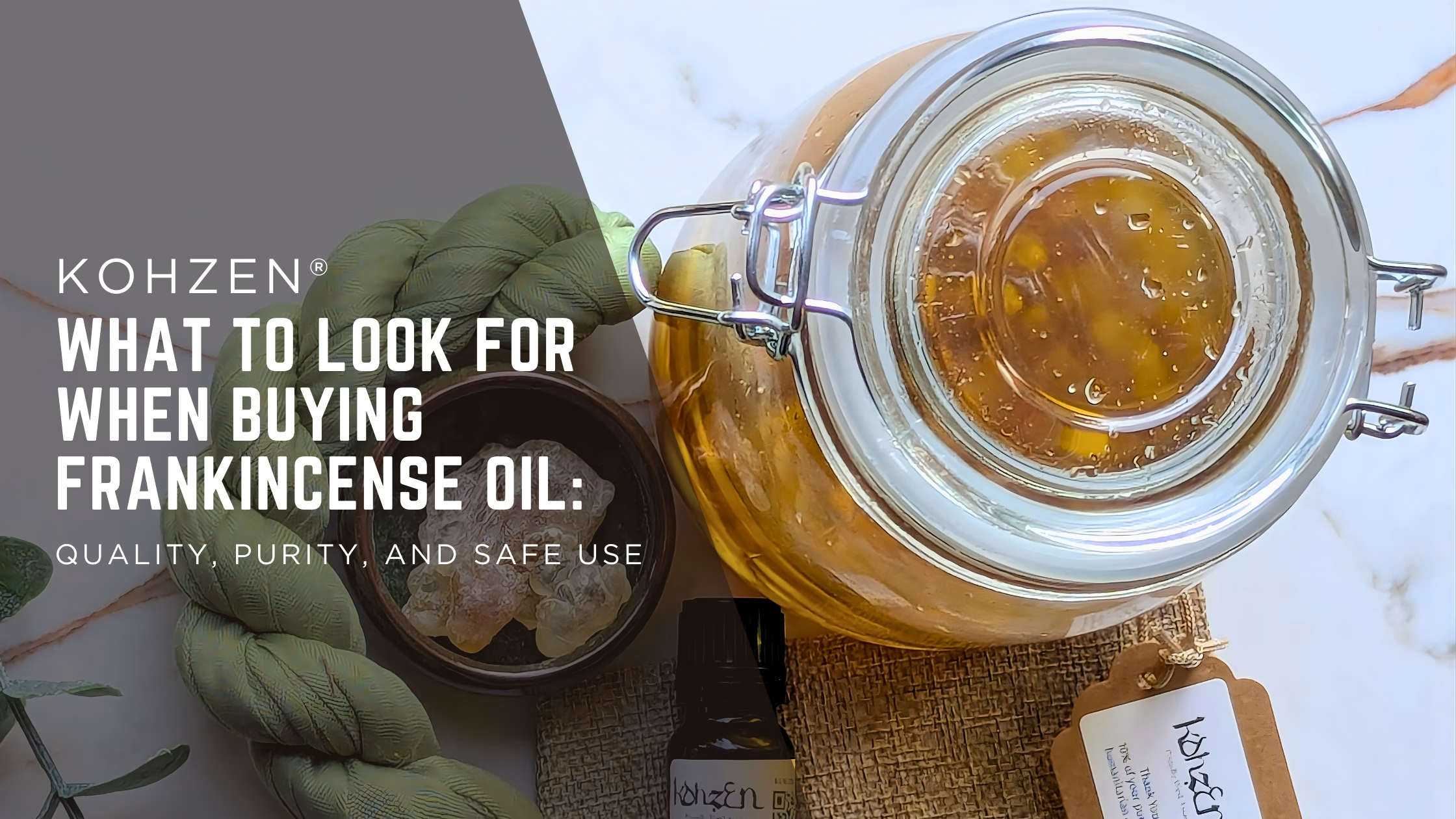
Frankincense oil is the aromatic oil extracted from the resin (gum) of Boswellia trees. For thousands of years, people have prized frankincense (also called olibanum or luban) for its rich, incense-like scent and cultural significance kohzen.com britannica.com. In many traditions frankincense is valued as a sacred aroma – Omanis call it the “tears of the gods” and burn it to symbolise purity, prayer and a link to the divine kohzen.com. Today, people are drawn to frankincense oil for its woody-citrus fragrance and its calming, grounding presence. Whether used in home rituals, aromatherapy, or as a natural perfume, a high-quality frankincense oil can evoke centuries of heritage and create a soothing atmosphere kohzen.com britannica.com.
In this guide, we’ll explain the different types of frankincense oils (infused, essential, fragrance), why traditional resin-infused oils are special, and exactly what to look for when choosing a safe, pure frankincense oil. We’ll also cover how to use it mindfully and safely.
If you’re completely new to resin and want the bigger picture, start with our Ultimate Guide to Frankincense, where we explore origins, types, and everyday uses in more depth.
Infused, Essential, and Fragrance Oils: What’s the Difference?
When shopping for frankincense oil, you may see terms like infused oil, essential oil, or fragrance oil. These are very different products:
- Essential Oil: This is the volatile essence of frankincense, obtained by steam distilling the resin. It is highly concentrated and potent. In distillation, steam forces the resin’s fragrant compounds into vapor, which are then collected as oil droplets. Only a very small amount is extracted: e.g. it can take dozens of pounds of resin to produce a single ounce of essential oilemsherbals.com. The resulting essential oil is colorless or pale yellow and is extremely aromatic and concentrated. Essential oils carry the bright, top notes of the resin’s aroma (often light and piney for frankincense), but because of the heat and process, they may lack some of the heavier, deeper aroma compounds etsy.com. While essential oils are prized in aromatherapy, they must be used with care (see Safety below).
- Fragrance Oil: Often just called “frankincense fragrance,” this is not a true plant product. Fragrance oils are man-made scent blends designed for strong, long-lasting smell. They may contain some natural extracts, but usually they include synthetic chemicals to mimic frankincense aroma. Fragrance oils have no therapeutic or botanical properties, only the added scent vinevida.com. They are engineered to hold up in candles or soap and are often cheaper than natural oils. For example, one aromatherapy guide notes that “fragrance oils… have no therapeutic benefits beyond their scent” vinevida.com. If you want a genuine frankincense oil experience (for aroma and any subtle natural qualities), avoid fragrance oils.
In summary, infused frankincense oil is made from the actual resin in carrier oil, essential oil is the volatile extract of that resin, and fragrance oil is a synthetic aroma. Each has its place: infused oils are gentle, carry the full character of the resin etsy.com; essential oils are highly concentrated and aromatic; fragrance oils serve perfumery. A beginner looking for authentic frankincense should focus on infused or pure essential oils, not fragrance blends.
Looking for a ready-made, slow-infused oil to work with? Explore our Royal Green Hojari Frankincense Infusion Oil on Etsy.
Why Choose a Traditional Infused Frankincense Oil
Modern distillation is convenient, but there are benefits to the old-fashioned infusion method:
- Full Spectrum Aroma: By steeping the whole resin in oil, an infusion captures more of the frankincense’s depth and warmth. Kohzen explains that its 6-week infusion “allows the fragrant compounds of the resin to release gradually into the oil, capturing depth, warmth, and complexity that distilled essential oils alone cannot provide” etsy.com. In other words, infusion oil retains heavier, woody notes that might be lost in distillation etsy.com. The result is a rich, multi-layered scent – often described as warm, citrusy, and woody for Omani Hojari resin etsy.com.
- Gentler and Holistic: Infused oils mix the essence of the resin with a nourishing carrier oil (like grapeseed). This means they are ready for safe topical use (with even slight dilution), whereas essential oils often need further dilution. Because they are less concentrated, many people find infused oils more skin-friendly and gentle. An herbalist notes that infusions “utilise all the plant’s benefits… in a liquid form that you can now apply topically, safely” emsherbals.com. You don’t need to be a chemistry expert to enjoy a resin-infused oil – it’s simply warm, naturally scented oil.
- Traditional Method & Integrity: Infusion mirrors how frankincense was historically used. Boswellia sap (“tears”) was often soaked or warmed in oil in old rituals. By preserving the whole resin pieces, infusion honors the tree’s true aroma. Kohzen’s infusion is labeled “Whole-Resin Infusion,” highlighting that the powder of Royal Hojari frankincense steeped in grapeseed oil yields a scent “ideal for home fragrance, meditation, and ritual settings” etsy.com. This method avoids chemical solvents or high heat that might strip certain compounds. As one seller notes, unlike steam-distilled oils, a resin infusion keeps the resin whole, allowing the oil to absorb a “broader spectrum of frankincense character over time” etsy.com.
In short, a traditional frankincense-infused oil connects you more directly to the plant’s heritage. It provides a richly authentic scent and a gentler oil base. (For example, Kohzen’s infusion is golden and grounded – perfect for slow, mindful use etsy.com. If you prefer a very light scent, you might still like a distilled essential oil. Both are natural choices, but infusion offers the full botanical experience.)
Curious about the symbolism behind this scent? In The Spiritual Meaning of Frankincense, we explore how communities across West Asia and beyond understand its role in prayer, purification, and protection.
What to Look for When Buying Frankincense Oil
When you’re ready to purchase frankincense oil, here are key factors to check:
- Purity of the Oil: The label should clearly say “100% frankincense oil” (or “infused with frankincense resin,” etc.), not just a vague “scent.” Avoid products that mix frankincense with other essential oils (unless you want a blend), and never buy something labeled as “frankincense fragrance oil” if you want the real thing. Genuine frankincense oil will have Boswellia resin or Boswellia sacra listed. Some brands specify the species or grade (e.g. Boswellia sacra from Oman, “Hojari grade”). This matters: Boswellia sacra (Omani frankincense) is highly valued and has a distinct aroma, whereas cheaper Boswellia carterii (Somali frankincense) smells different. Ideally, the label should mention the variety or origin of the resin. Kohzen’s products, for example, emphasise “Royal Green Hojari frankincense” and even note the harvest year, showing transparency of source etsy.com.
- Ingredients List: Even if it’s an infused oil, check the ingredients. A pure infused oil will have something like “frankincense resin (Boswellia sacra) and grapeseed oil.” No other fillers or “aroma” additives should be listed. If it’s an essential oil, ideally it should say “100% steam-distilled Boswellia (species) essential oil.” If anything else is in the bottle (synthetic stabilisers, fillers, colorants), it’s not pure. Good companies will list exactly what’s in the bottle. As a rule, fewer ingredients is better, so you can trust what you’re getting.
- Packaging: Frankincense oil, like all plant oils, is light- and heat-sensitive. Look for oil sold in dark amber glass bottles (often with droppers or roller-ball tops). Dark glass blocks UV rays and helps preserve the oil’s quality. Also, the cap or dropper should seal well. Kohzen, for example, seals each bottle with a special logo seal “as a mark of our commitment to purity” etsy.com. Seals, tamper-evident caps, and lot numbers show attention to quality. Avoid oils sold in clear plastic or without proper labeling. Remember: cheap retail stores sometimes repurpose containers; true essential or infused oils come in properly labeled containers.
- Transparency and Sourcing: The seller should be open about where and how their frankincense is sourced. Best-case: the company harvests Boswellia trees sustainably and can say from which region and year the resin came. Trusted brands often share details – for example, Kohzen notes that their resin is wild-harvested in Oman’s Dhofar region, home of the UNESCO “Land of Frankincense” etsy.com. Look for information like “ethically wild-harvested” or “fair trade” if available. Transparency can also mean testing: some sellers provide a certificate of analysis (GC/MS) showing the oil’s composition, which proves purity. If a product page or seller FAQ shows testing results, that’s a good sign. If the brand hides details or just claims “premium” without backing, be cautious.
- Price and Brand Reputation: Quality frankincense oil is not extremely cheap. If a “100% pure” frankincense oil is priced near $5-$10 for a large bottle, that’s too good to be true. Pure essential oil is expensive to produce. Compare prices and reviews from multiple sources. Established brands with good reviews and clear practices are safer bets. Kohzen, for instance, are a company specialising in authentic Omani frankincense products (you can see their mission and product details on our About page.
In summary, good frankincense oil is clear (or light golden if infused), comes in a proper dark bottle, lists only natural ingredients (Boswellia and a carrier), and is made by a transparent seller who tells you the origin. Check for any vague language: if it doesn’t explicitly say “pure Boswellia oil,” ask questions or look elsewhere. When in doubt, the combination of an honest ingredients list, secure packaging, and a reasonable price from a reputable source is the safest bet for quality.
If you’d like to experience the aroma of real Omani resin in an easy, skin-friendly form, you can find our Royal Green Hojari Frankincense Infusion Oil on Etsy.
Ways to Use Frankincense Oil
Frankincense oil has deep roots in cultural rituals and is still used today in mindful ways. Here are some gentle, traditional uses:
- Aromatherapy and Diffusion: Perhaps the simplest way is to add a few drops of frankincense oil to an essential oil diffuser or a pot of simmering water. The warm, woodsy aroma can fill the room. In many faiths, frankincense incense is burned to create a sacred atmosphere kohzen.com britannica.com. You can emulate this by gently diffusing frankincense oil during meditation, yoga, prayer, or quiet reflection. Its soothing smell can help you breathe deeply and focus your mind. (For example, in Oman and other Arabian cultures, frankincense is often burned to “purify the air and heart” and welcome guests kohzen.com. Diffusing oil is a modern way to honor that tradition at home.)
- Personal Fragrance or Anointing: Once diluted with a carrier oil (see Safety below), frankincense oil can be applied to pulse points or the back of the neck like a natural perfume. Its gentle floral-woody aroma can be grounding. In spiritual or energy practices, frankincense might be used to anoint the body before meditation or to reinforce intention. Remember: always dilute first, and do a patch test for skin sensitivity.
- Mindful Massage or Body Oil: Many people add frankincense-infused oil to massage blends for a calming effect. Because infusion oils are already mixed with a carrier, you can often use them directly for massage. For essential oil, mix a few drops with a carrier like jojoba or sweet almond oil. Massage onto the hands, feet, or temples for relaxation (avoiding mucous membranes). This can become a ritual of self-care – the act of slow, mindful massage combined with the scent can help relieve tension. (Historically, Boswellia resin was used in topical healing balms in Eastern medicine britannica.com, but today we use it more for its comforting scent and the skin’s nourishment from the carrier oil.)
- Ritual Cleansing and Calm: Apart from direct use on body, you can incorporate frankincense oil into home rituals. Some people add a few drops to their bathwater (never add essential oil directly, only mixed in bath salts or lotion to avoid irritation). Others anoint candles or incense sticks by wiping them with a bit of oil to enhance the spiritual atmosphere. Because frankincense has long been a symbol of prayer and purification in churches and temples kohzen.com britannica.com, even lighting a candle with a drop of frankincense oil nearby can feel meaningful.
- DIY Products: Frankincense oil is sometimes used in homemade aromatherapy products – for example, in a homemade room spray (mixed with water and a bit of alcohol to disperse) or in a linen spray. It’s also an ingredient in some natural skincare recipes (always heavily diluted, since it’s potent). Just remember any use should be mild and mindful. For beginners, it’s best to start with very simple uses: just breathing the scent or applying a drop of diluted oil on the skin.
Traditional Note: In many cultures, frankincense was used in special practices but not as a medical cure. For example, Kohzen’s blog explains that frankincense water (an infusion) was traditionally sipped as part of rituals for relaxation and hospitality kohzen.com, not as a medicine. Modern uses follow this pattern: frankincense oil is primarily about scent, ritual, and atmosphere. It can support mindfulness (for example, using it in a calming tea ritual or a meditation space) without claiming to cure ailments. Always enjoy frankincense oil in the spirit of these traditional practices – as a fragrant companion to your self-care and intentions.
If you’d like to go deeper into drinks and infusions, 7 Traditional Uses of Frankincense Water (Infusion) and How to Make It at Home shares cultural context and a simple, respectful way to prepare it.
Safety and Storage Guidelines
Frankincense oil is natural, but as with any concentrated plant oil, safe handling is important:
- External Use Only: Frankincense oil is meant for smelling or topical use (diluted). Do not ingest essential frankincense oil, and be cautious even with infusions – they are not a beverage like frankincense water. Keep oils out of reach of children and pets. Label warnings like “for external use only” are there for a reason.
- Dilute Before Applying to Skin: Pure essential oils are very strong and can irritate skin if undiluted emsherbals.com. Even infused oils (which are already milder) should be used sparingly. A common dilution is 1–2% (for example, 1 drop of frankincense essential oil per teaspoon of carrier oil). Good carrier oils include jojoba, sweet almond, grapeseed, or coconut oil. Always do a patch test: apply a small amount of the diluted oil to your forearm or wrist and wait 24 hours to check for any reaction. If you notice redness or irritation, stop using it.
- Avoid Sensitive Areas: Do not put frankincense oil near your eyes, inner ears, or on broken skin. After using it, wash your hands so you don’t accidentally touch your face. If you’re pregnant, nursing, or have a serious medical condition, consult a healthcare professional before using any essential oils. When in doubt, treat frankincense oil with respect as you would any potent natural product.
- Shelf Life and Storage: Store your frankincense oil in a cool, dark place – for example, a cabinet away from heat or sunlight. The dark amber glass bottles help protect the oil. When properly stored, frankincense oil can remain good for a long time. Aromatherapy sources suggest most essential oils last at least 1–3 years. You can even refrigerate oils if you use them slowly. Over time, oils do oxidise: an expired bottle may smell harsh or look cloudy. To be safe, label your oil with the purchase date and try to use it within a couple of years.
- Other Precautions: Because oil is flammable, keep it away from open flames or high heat sources. Use oil-infused candles or diffusers according to their instructions and in a well-ventilated area. Never heat oils near an open flame. Finally, always purchase enough oil to meet your needs over a year or two, rather than buying in huge bulk – fresher is always better.
By following these guidelines, you can safely enjoy frankincense oil’s wonderful scent and ambiance for as long as it lasts.
For a gentle, resin-based oil that’s been traditionally infused over weeks rather than rushed, take a look at the Royal Green Hojari Frankincense Infusion Oil in the Kohzen Etsy shop.
Frequently Asked Questions
Q: What is frankincense oil and why is it popular?
Frankincense oil comes from the resin of the Boswellia tree. It’s popular for its warm, woody-citrus aroma and its rich history in spiritual and cultural traditions. People use it for its fragrant scent in incense, aromatherapy, and relaxation practices. It’s often associated with purification and meditation due to its long use in religious rituals.
Q: How do infused, essential, and fragrance frankincense oils differ?
Infused oil is made by soaking actual frankincense resin in a carrier oil, capturing the resin’s gentle aroma and plant compounds. Essential oil is the concentrated steam-distilled extract of the resin – very potent, clear, and aromatic. Fragrance oil is a man-made scent (often synthetic) that only smells like frankincense but has no natural plant components. Infused and essential oils are true plant products; fragrance oils are artificial.
Q: What should I look for to ensure my frankincense oil is pure and high-quality?
Check that the oil is 100% frankincense (Boswellia) with no additives. The ingredients list should say frankincense resin or essential oil plus the carrier (if infused). Look for proper labeling: dark glass bottles, lot number, country of origin, and any quality seals. Verify the source – Oman’s Boswellia sacra (Hojari) is a prized species. Don’t be fooled by “frankincense fragrance” or cheap blends. A reputable brand will be transparent about sourcing and production.
Q: How can I safely use frankincense oil?
Always dilute frankincense essential oil in a carrier before applying to skin, and do a patch test first. It’s meant for external use only, not ingestion. You can inhale it via diffusion, add a drop to a bath (mixed with bath salts or milk to disperse), or use it in massage (mixed with a carrier oil). Keep it out of your eyes and off sensitive skin. If you experience any irritation or have health concerns (pregnancy, pets, etc.), consult a professional before use.
Q: How should I store frankincense oil and how long does it last?
Store the bottle tightly closed in a cool, dark place. Kept properly, frankincense oil can last at least 1–3 years. Refrigeration can extend its life. Over time, the aroma may weaken or change. If the oil becomes thick, cloudy, or smells off, it’s best to replace it. It’s a good idea to write the purchase date on the bottle and use it within 1–2 years for maximum freshness.
Q: Can I use frankincense oil on my skin or in my skincare routine?
Yes, but with care. Always dilute frankincense essential oil (a few drops per teaspoon of a carrier oil) before applying to the skin. Some people apply it to pulse points or trouble areas for its soothing scent. Because frankincense infused oil is already mixed with a carrier, it can often be used directly for massage or as a gentle facial oil (patch test first!). Avoid broken skin, and if you have sensitive skin, stick to low dilution. Remember, frankincense oil is more for fragrance and mindfulness than for “treating” anything.